










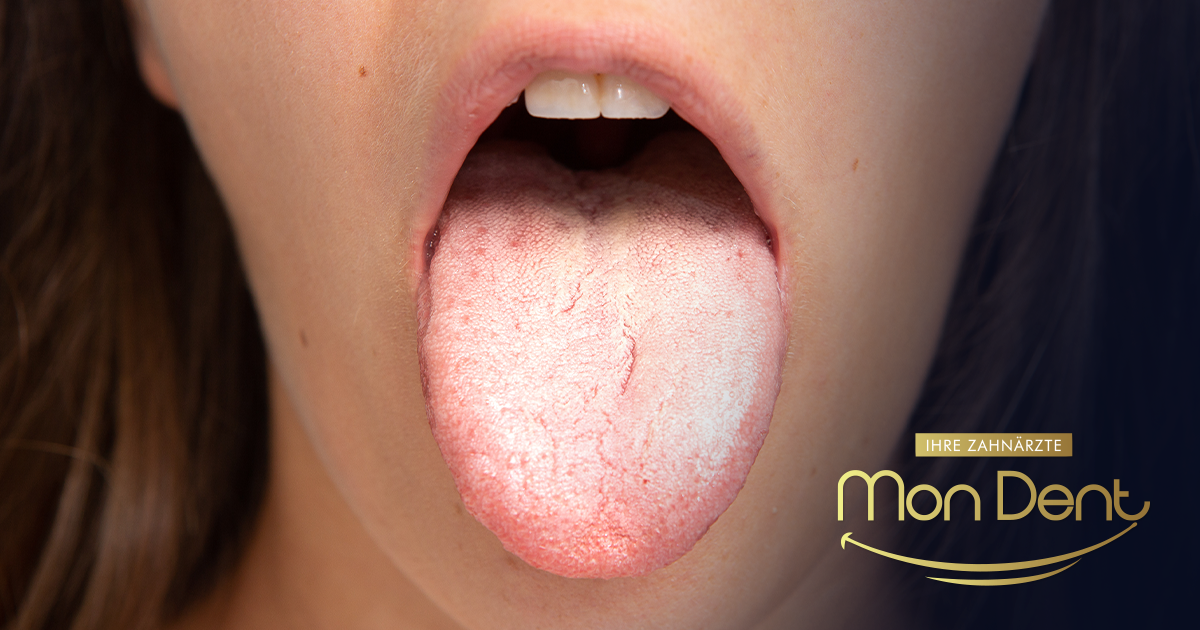
White deposits on the tongue and mucous membranes, burning, unpleasant sensations and changes in taste - these are signs that many people ignore, and are often the result of an overgrowth of fungus in the mouth. Oral candidiasis is not uncommon and, although in most cases it is not dangerous, it can be unpleasant and persistently return if the real cause is not discovered. In this guide, we explain what oral candidiasis is, what forms it has, how to recognize it, why it occurs and how it is treated, along with tips on how to prevent it.
What is candida (yeast) in the mouth?
Candida is a fungus that normally lives in the mouth, on the skin and in the digestive system, usually in small amounts and without any problems. Infection occurs when the balance is disturbed and the fungus begins to multiply excessively. The most common cause is the species Candida albicans.
This condition is medically called oral candidiasis. In everyday speech, people also call it oral thrush or thrush, and in infants it is known as “white thrush”. It can affect the tongue, inside of the cheeks, palate, gums and corners of the lips, and sometimes spreads to the pharynx.
Forms of candida in the mouth
Candida does not always appear in the same way. Recognizing the form also helps in choosing therapy:
- Pseudomembranous form (classic thrush) – the most famous, with white or creamy deposits that can be removed, leaving a red mucous membrane underneath.
- Erythematous (atrophic) form – without pronounced deposits, but with red, smooth and painful mucosa; often occurs after antibiotic therapy.
- Prosthetic stomatitis – redness and inflammation of the mucous membrane under the denture, especially in wearers whose dentures fit poorly or are not cleaned enough. If you notice persistent inflammation under the restoration, it may be time to check and adjust your dentures.
- Angular has been hacked. – red, cracked, and painful corners of the lips, which often occur in conjunction with oral candidiasis.
Symptoms of candida in the mouth
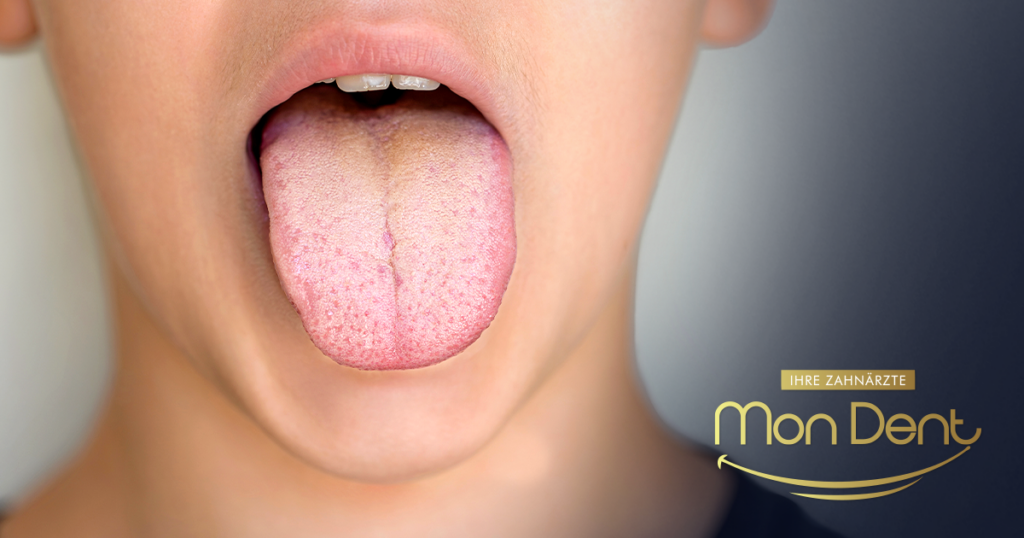
Candida symptoms range from mild to severe, depending on the type and extent of the infection. The most common signs are:
- White or creamy deposits on the tongue, cheeks, or palate that resemble cottage cheese
- Redness and tenderness of the mucous membrane under the plaque, sometimes with slight bleeding if the plaque is removed
- Tingling, burning, or pain in the mouth, worsened by eating and drinking
- A feeling of cotton wool or dryness in the mouth
- Change or loss of taste, and sometimes bad breath
- Cracked, red corners of the lips
- In more severe cases, difficulty swallowing and a feeling that food is "stuck" in the throat
In some patients, plaques appear primarily on the tongue, accompanied by a burning sensation and a change in taste, while in others, redness and pain are more pronounced without visible plaques.
Causes: why does fungus appear in the mouth?
Candida overgrows when something disrupts the natural balance of microorganisms in the mouth or weakens the body's defenses. The most common causes and triggers are:
- Antibiotics – they also destroy beneficial bacteria that normally keep the fungus under control
- Dentures – especially if they fit poorly or are not cleaned regularly, as they create a warm and moist environment ideal for fungus growth
- Dry mouth – decreased saliva production, whether due to medication, illness, or insufficient fluid intake
- Inhaled corticosteroids – asthma sprays, if the mouth is not rinsed after use
- Diabetes – elevated sugar promotes fungal growth
- Weakened immunity – with chemotherapy, long-term corticosteroid therapy or chronic diseases
- Smoking
- Poor oral hygiene
- Dob – infants and the elderly are more susceptible
In most people, candida does not develop from a single cause, but from a combination of factors, such as dentures, dry mouth, and smoking. That's why it's important to look at the whole picture when treating it, not just treating the symptoms.
Who is at increased risk?
Although candida can affect anyone, people who wear dentures, have diabetes, smoke, take antibiotics or corticosteroids, and have weakened immune systems are at higher risk. In these groups, the infection is more likely to recur, so it is crucial to treat the underlying cause as well as treat it, otherwise the problem will keep recurring.
Oral candidiasis in babies and children
Candida is common in infants and usually appears as white deposits on the tongue and mucous membranes which, unlike milk residue, cannot be easily wiped off. The baby may be restless and eat less due to discomfort. In this case, you should contact your pediatrician or dentist, and for all problems in the youngest there is also pediatric dentistry in which the examination is adapted to the child's age.
Is candida in the mouth contagious?
Candida is a fungus that is naturally found in the mouths of almost everyone, so it is not really “transmitted” like a cold. However, in special situations, for example between a breastfeeding mother and her baby, transmission is possible. In healthy adults with normal immunity, the risk is very low. The key is the state of immunity and oral hygiene, not the contact itself.
How is the diagnosis made?
In most cases, the dentist can recognize candida by clinical examination, based on the appearance of the deposits and the condition of the mucosa. When the picture is unclear or the infection keeps coming back, a swab of the mucosa can be taken for laboratory analysis, and sometimes additional tests are recommended to find the underlying cause, for example, uncontrolled diabetes. Early and accurate diagnosis shortens treatment and reduces the possibility of recurrence.
Treatment of candida in the mouth
Treatment has two goals: to suppress the fungus and to remove the cause so that it does not return.
- Antimycotics (antifungal therapy) – locally in the form of gel, drops or mouth paste, and in case of widespread or persistent infections, tablets prescribed by a doctor
- Addressing the root cause – sugar regulation, mouth rinsing after inhalers, adjustment or replacement of a bad prosthetic restoration
- Denture hygiene – regular and proper cleaning and removing dentures at night
- Improving oral hygiene and, if necessary, smoking cessation
Therapy should always be guided by a dentist or doctor. Stopping treatment as soon as symptoms disappear is a common reason why candida returns, so it is important to follow the entire course of therapy that is recommended to you.
Prevention
You can significantly reduce the risk of oral fungus by following simple habits:
- Regular tooth brushing and gentle tongue cleaning
- Proper care and daily cleaning of dentures
- Rinsing your mouth with water after using the inhaler
- Sufficient fluid intake to prevent dry mouth
- Blood sugar control in diabetics
- Quitting smoking
- Regular dental checkups that catch problems early
Conclusion
If the white deposits, burning or discomfort last more than a few days, return or make eating difficult, it's time for a check-up. Candida is easily treated when recognized early, and a dentist will determine why it occurred in the first place.
At MonDent, we diagnose and treat oral candidiasis and other mucosal conditions as part of periodontology and oral medicineSchedule an inspection and fix the problem at the source, instead of letting it keep coming back.
Frequently asked questions
How long does it take to treat oral candidiasis?
In uncomplicated cases, symptoms usually resolve within one to two weeks with appropriate therapy, but the exact course depends on the form of infection and the underlying cause.
Does candida in the mouth go away on its own?
In healthy people, mild candida sometimes goes away when the trigger is removed, but relying on this is not recommended. Without treatment, the infection can spread or keep coming back.
Can oral fungus be treated with home remedies?
Home measures, such as better hygiene and rinsing, can help as a support, but they are not a substitute for antifungal therapy. “Blind” treatment often prolongs the problem, especially if the deposits are not of fungal origin.
Why does my candida keep coming back?
This is most often because the underlying cause has not been addressed, such as poorly fitting dentures, uncontrolled blood sugar, or dry mouth. Therefore, it is important to identify and address this cause when it recurs.


 BA
BA DE
DE SL
SL EN
EN ZH
ZH it_IT
it_IT