


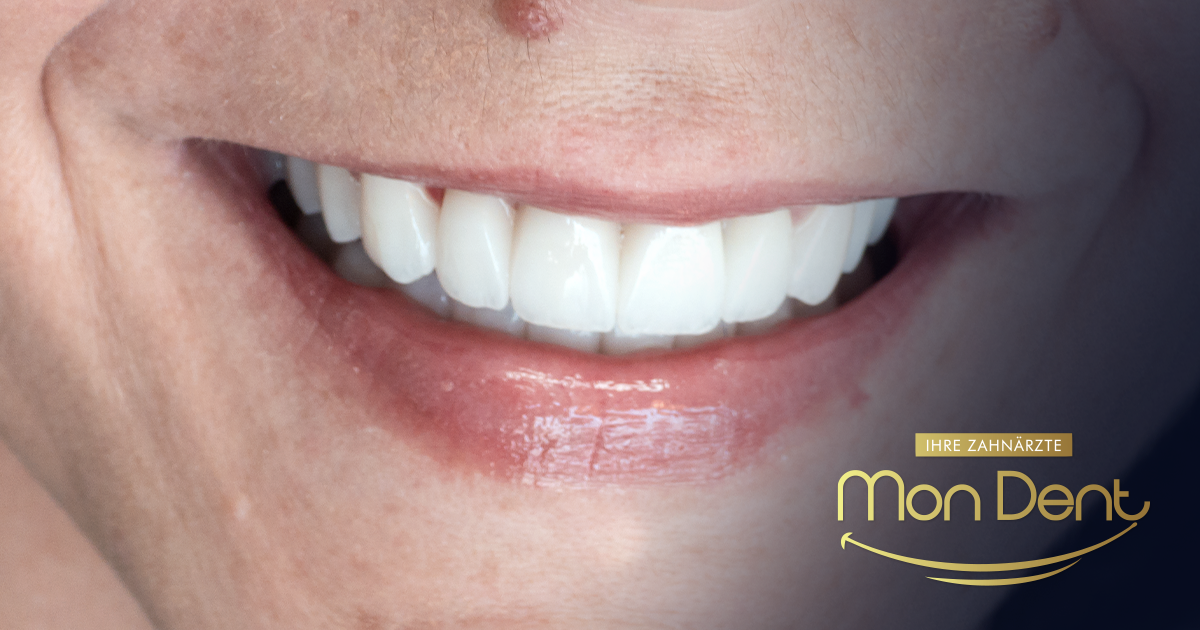
Metal-free crowns are dental crowns made entirely of ceramic, without a metal base. They give a natural look because they transmit light like a natural tooth, do not leave a gray line along the gums, and are biocompatible, which means that the body does not reject them. At the MonDent dental office in Banja Luka, a metal-free zircon crown costs 400 KM per tooth, and the Premium version costs 500 KM.
Below we bring you a precise, practical guide: types of metal-free crowns, the difference from classic metal-ceramic crowns, when they are recommended, how long they last, and what you really need to know before sitting in the dentist's chair.
What are metal-free crowns?
Metal-free crowns (also known as metal-free ceramics or full ceramic crowns) are prosthetic replacements that are placed over a ground tooth or on an implant. Unlike classic metal-ceramic crowns, they do not have a metal base under the ceramic, but the entire crown is made of high-strength ceramic material.
The main difference in practice: a metal-free crown transmits light similar to a natural tooth, so it looks completely natural even when the gums recede over time. A metal-ceramic crown, when the gums recede, reveals a darker line at the edge, which is the biggest aesthetic problem of the older generation of crowns.
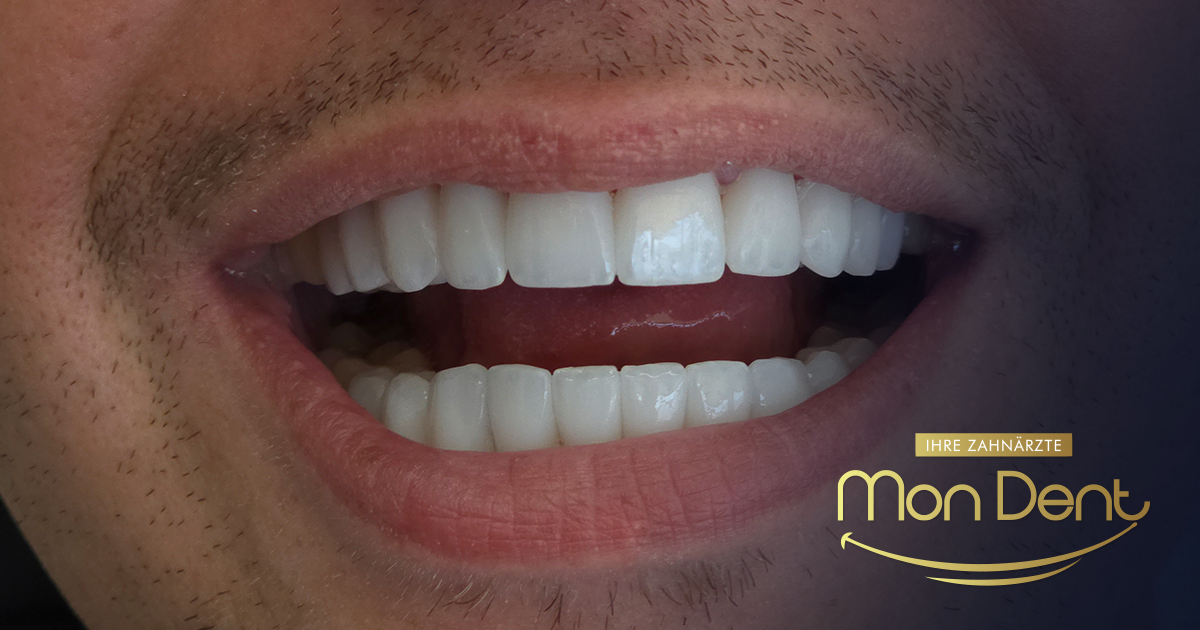
Types of metal-free crowns (zirconium and E.max)
There are two main types of metal-free crowns used in modern dentistry today:
1. Metal-free zirconium crowns (zirconium oxide)
Zirconium crowns are the most common choice due to their combination of exceptional strength and natural appearance. Zirconium oxide is a technical ceramic that was originally used in the aerospace and medical industries (for example in orthopedic hip prostheses). In dentistry, it is processed using CAD/CAM technology, so the complete zirconia crown installation process It takes place according to a digital protocol with a precision of tenths of a millimeter, through 2 to 3 visits over a period of 7 to 14 days.
They are suitable for:
- Side teeth that suffer more pressure when chewing
- Front teeth for patients who want a combination of aesthetics and durability
- Crowns on implants
- Metal-free bridges over multiple teeth
2. Glass-ceramic crowns (E.max)
Glass ceramic, best known under the commercial name IPS E.max, provides the most natural appearance because it has the closest translucency (light transmission) to natural enamel. It is used primarily for anterior teeth and aesthetically demanding patients. It is weaker than zirconium when it comes to load, so it is less commonly used for molars.
They are suitable for:
- Front teeth
- Veneers and individual aesthetic reconstructions
- Patients with a requirement for maximum naturalness
The difference between a metal and metal-free crown
This is the question patients ask most often. The difference is not just in appearance - it's about the material, biocompatibility, long-term functionality and price.
|
Characteristics |
Metal-ceramic crown |
Metal-free crown |
|
Base |
Metal alloy + ceramic over it |
100% ceramic (zircon or E.max) |
|
Aesthetics |
Visible dark line along the gum over time |
Natural look, no gray line |
|
Light transmission |
Does not let in light (looks unnatural) |
Transmits light like a natural tooth |
|
Biocompatibility |
Possible metal allergy in sensitive patients |
Fully biocompatible |
|
Firmness |
Very good |
Zircon: excellent, E.max: good |
|
Shelf life |
8-15 years |
10-20 years with proper care |
|
Price (Banja Luka) |
Lower |
Higher (from 400 KM per tooth) |
|
Indication |
Posterior teeth, patients who are not looking for aesthetics |
Anterior and posterior teeth, aesthetically demanding patients |
In short: a metal-ceramic crown is cheaper and functionally solid, but it compromises aesthetics. A metal-free crown is a long-term investment in appearance and biocompatibility.
When are metal-free crowns recommended?
A metal-free crown isn't for every situation. Here's when it really makes sense:
- Front teeth – aesthetic zone, visible when speaking and smiling
- Patients with metal allergies – any patient who has had a reaction to jewelry, watches, or other metal objects in contact with the skin is a candidate for a metal-free solution
- Patients with thin gums – because they are the ones that show the gray line the fastest with metal-ceramic crowns
- Implant crown – metal-free ceramics are the standard for implant restorations because they do not create galvanic reactions with titanium
- Treated teeth with crowns – after endodontic treatment, the tooth must be strengthened. In case of severely damaged teeth, the first step is to tooth reconstruction with a composite post, and only then is a metal-free crown placed to protect the remaining part of the tooth and restore its full function. This post-endodontic restoration procedure is a key step for the longevity of the treated tooth, because endodontically treated teeth fail more often due to poor-quality restoration than due to the failure of the root canal treatment itself.
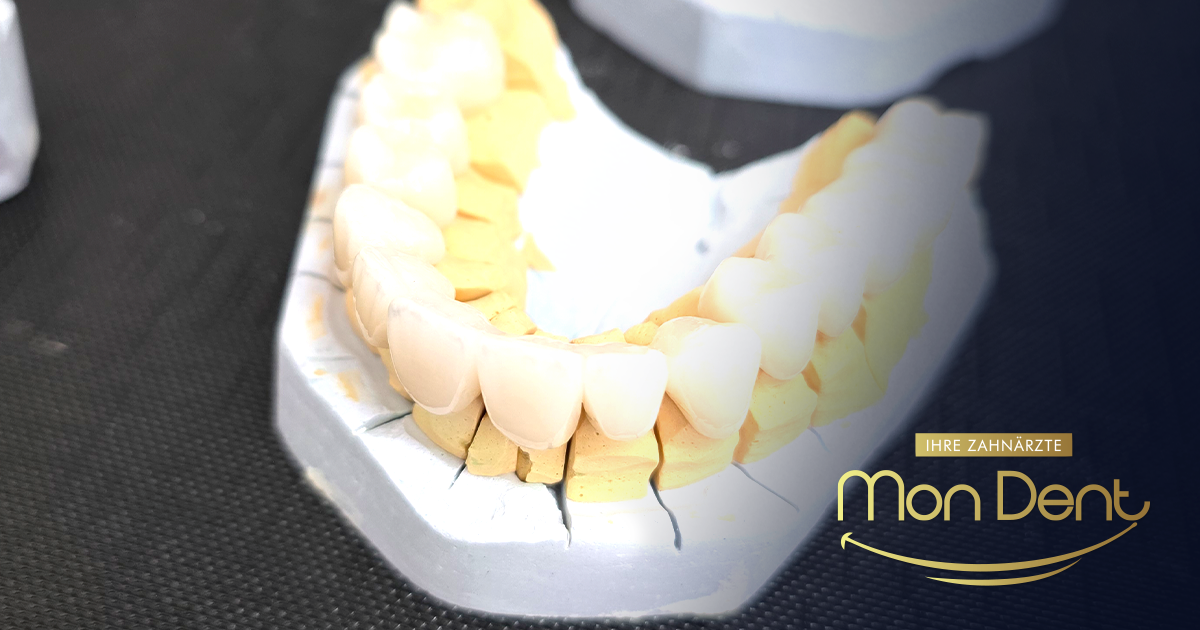
Metal-free crowns on implants
When replacing a single tooth with an implant, a crown is placed on top of a titanium implant. A metal-free zirconium crown on an implant is the gold standard today for several reasons:
- Zirconium does not react galvanically with the titanium of the implant.
- The aesthetics in the gum area are significantly better than with a metal crown.
- There is less plaque accumulation around the crown neck.
- Durability is comparable to the patient's natural tooth
The price of a metal-free zirconium crown on an implant at MonDent is 500 KM. The price of the implant itself is calculated separately.
Metal-free bridge: a solution for multiple missing teeth
When two or more teeth are missing in a row, a metal-free crown can be part of a bridge. A metal-free bridge is made from a single piece of zirconia, which makes it extremely strong and aesthetically superior to classic metal-ceramic bridges. The bridge rests on two ground adjacent teeth or implants, with „hanging“ crowns in between that replace the missing teeth. A complete overview of situations in which dental bridge a better choice than implants It depends on the condition of the bone, the number of missing teeth and the patient's budget.
Price of metal-free crowns in Banja Luka (MonDent)
Price transparency is a priority for us. Here are the current prices at our practice:
|
Service |
Price |
|
Metal-free zirconia crown – per tooth |
400,00 KM |
|
Metal-free zirconia crown Premium – per tooth |
500,00 KM |
|
Metal-free zirconia crown on implant |
500,00 KM |
What affects the final price?:
- Number of teeth to be fitted (price is calculated per tooth)
- Is a previous tooth extension necessary (charged separately)
- Is prior endodontic treatment necessary?
- Is it an implant?
The difference between the standard and Premium variants is in the type of ceramic and the manufacturing technology. The Premium crown has an advanced multi-layer structure with better translucency, which is especially visible in the anterior zone. For the posterior teeth, the standard variant gives excellent results.
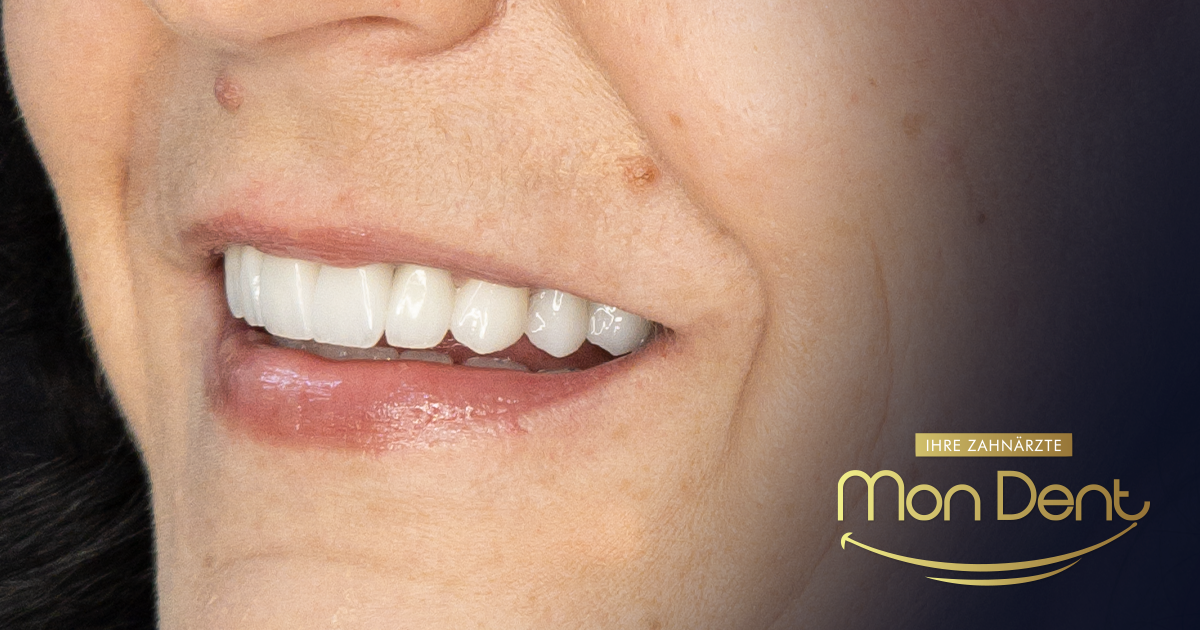
What does the procedure for installing a metal-free crown look like?
The entire procedure is completed in 2 to 3 visits, spread over a period of 7 to 14 days:
- First inspection and 3D scan – the condition of the teeth, bones, and roots is determined. At MonDent, 3D scans are free.
- Tooth preparation and grinding teeth for veneers under local anesthesia, with minimal removal of tooth structure because metal-free crowns require a thinner layer of preparation than metal-ceramic ones
- Taking a print – by digital scanner or classic fingerprint
- Temporary crown – protects the ground tooth while the final one is being made
- Making a crown in the laboratory – CAD/CAM milling of the zirconia structure and staining according to the adjacent teeth
- Trial rehearsal – checking color, shape and bite
- Cementation of the final crown
How long do metal-free crowns last? Patient experiences
Patients most often ask about the realistic lifespan. Clinical research and our practice show a lifespan of 10 to 20 years with proper hygiene and regular check-ups. In practice, this means:
- Zircon crowns can last for two decades without visible changes.
- The most common cause of replacement is not a cracked crown, but changes to the root or gums.
- Patients who grind their teeth (bruxism) need a protective splint to extend their life.
- Smoking and coffee do not change the color of the ceramic, but they do affect the gums around the crown.
Patient experiences at MonDent show a high level of satisfaction, especially in two areas: natural appearance (the crown is indistinguishable from neighboring teeth) and a painless procedure thanks to German work protocols.
How to care for metal-free crowns?
Hygiene is the same as for natural teeth, with a few important additions:
- Brushing teeth twice a day with a soft toothbrush
- Using floss and interdental brushes around crowns (mandatory)
- Alcohol-free mouthwashes
- Avoiding extremely hard foods (shelled nuts, ice)
- Checkups every 6 months
- Professional limescale cleaning once a year
The crown itself will not develop cavities, but the tooth underneath the crown can. That's why hygiene around the edges of the crown is crucial.
Conclusion
If you are considering metal-free crowns, the best first step is to consult with a dentist who will assess the condition of your teeth, bone tissue and gums. At MonDent Banja Luka, the first examination includes a free 3D X-ray and a clear treatment plan with a precise cost calculation. Complete dental services price list It is available on our website, and for an individual assessment, call us or schedule an appointment online.
Metal-free crowns: frequently asked questions (FAQ)
What are metal-free crowns and what are their main advantages?
Metal-free crowns are dental crowns made of 100% ceramic, without a metal base. The main advantages are a natural appearance (no gray line along the gum), biocompatibility, light transmission like a natural tooth, and a durability of 10 to 20 years.
What are the main types of metal-free crowns available?
Two main types: zirconium crowns (the strongest, used for posterior and anterior teeth and on implants) and glass-ceramic E.max crowns (the most natural-looking, primarily for anterior teeth).
How much does a metal-free crown cost in Bosnia and Herzegovina?
At MonDent Banja Luka, a standard metal-free zirconia crown costs 400 KM, a Premium 500 KM, and an implant-supported crown 500 KM. Prices in BiH range from 350 to 700 KM per tooth, depending on the practice, material, and technology.
Which dental clinics in Bosnia and Herzegovina offer metal-free crown services?
In BiH, a number of dental practices offer metal-free crowns, but the quality varies depending on the laboratory that makes the crowns and the technology used. MonDent uses German laboratory support and a digital manufacturing protocol.
Is grinding teeth for a metal-free crown painful?
The grinding is done under local anesthesia and is not painful. Less tooth tissue is removed for a metal-free crown than for a metal-ceramic one, which is another advantage.
Can a metal-free crown break?
Zircon crowns are extremely strong and cracking is rare. E.max crowns are slightly more sensitive to load, so they are recommended for front teeth and patients without bruxism.
What is the difference between a metal-free zirconium crown and a zirconium crown?
These are synonyms for the same material, – zirconium oxide. In conversation, „zirconia“, „zirconium“, „zirconia“ and „metal-free“ crowns are also used, but they all refer to the same type of restoration.
Do metal-free crowns go on implants?
Yes, a metal-free zirconia crown is the standard choice for an implant-supported crown due to its biocompatibility with titanium and excellent aesthetics in the gum area.


 BA
BA DE
DE SL
SL EN
EN ZH
ZH it_IT
it_IT