









If mouth ulcers keep coming back, first confirm that the changes are indeed ulcers, then check for possible mucosal injuries, habits, medications, and possible vitamin and mineral deficiencies. Pain relievers may provide relief for a few days, but may not solve the reason why the sores keep coming back.
It is especially important to distinguish between a sore that heals completely and then a new one appears, and a lesion that remains in the same place for weeks. A sore that lasts for two weeks or longer requires an examination. See your doctor sooner if the pain makes it difficult to drink fluids, you have a high fever, or your condition worsens.
Below, find out what is worth monitoring, what the assessment of recurring sores looks like, and what procedures you can apply to make it easier to eat, drink, and maintain hygiene.
How to recognize canker sores and distinguish them from other changes?
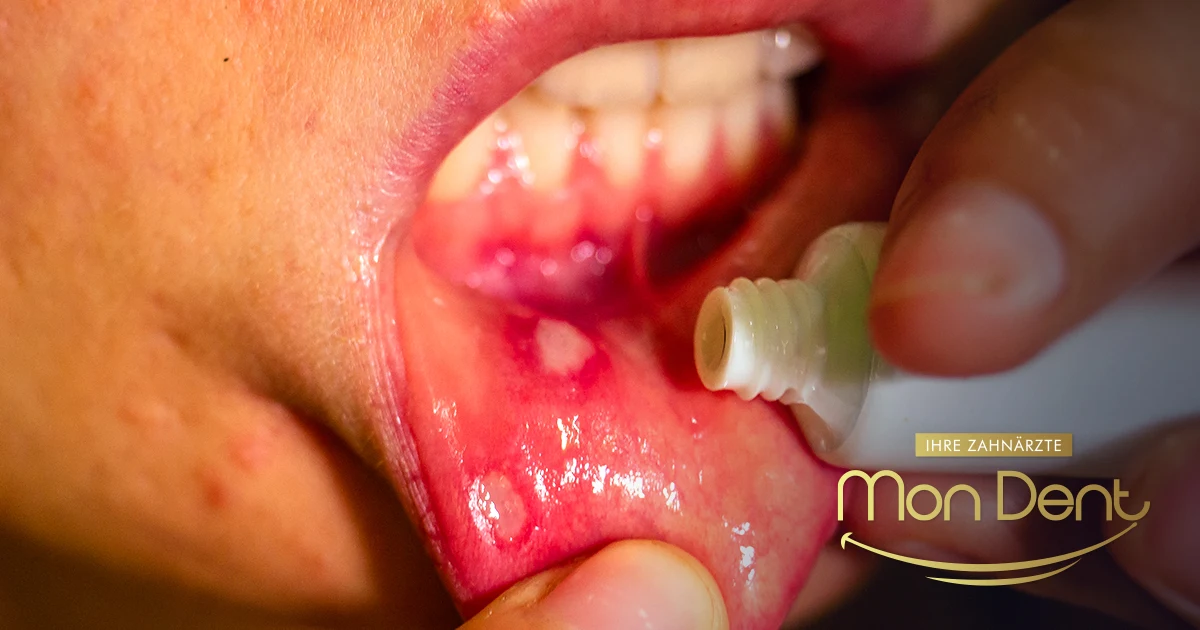
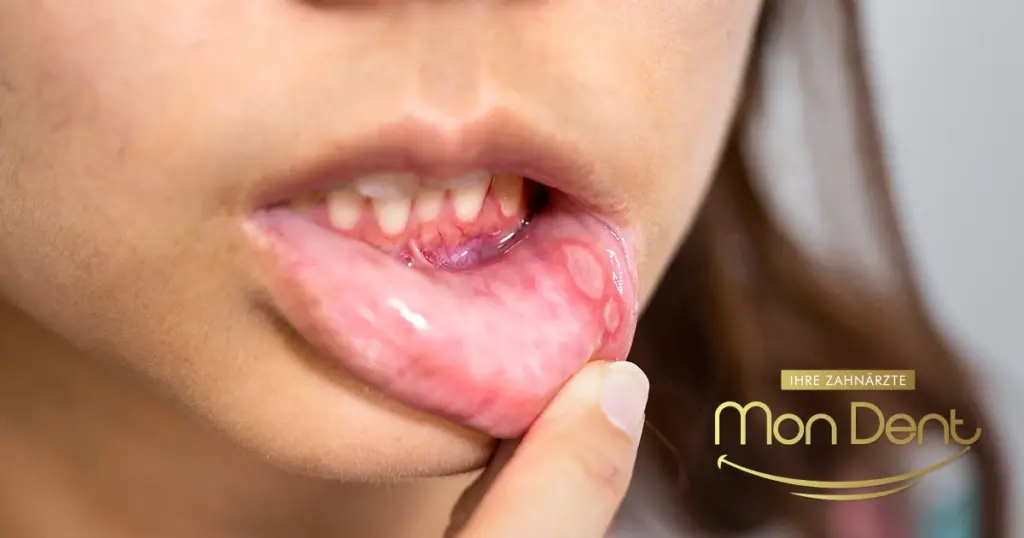
Canker sores are painful, usually round or oval sores with a light center and a red border. They usually occur on the inside of the lips and cheeks, under the tongue, or on other sensitive parts of the oral mucosa. They can appear singly or in groups.
You often first notice them during meals. A sour drink or spicy food touches the sore and causes a sharp burning sensation. Sometimes a feeling of discomfort precedes a clearly visible change.
Recurrence of these sores is called recurrent aphthous stomatitis. You can read more about their appearance and forms in professional text about canker sores and their treatment.
A white change in the mouth is not always aphthae
White patches on the tongue and cheeks, blisters, or a sore on the side of a sharp tooth may have a different cause. The appearance in a photo alone is often not enough to determine what is going on.
For example, a fungal infection can cause scaling, redness, and burning. Our blog about this is about candida in the mouth, its symptoms and treatment.
During the examination, describe how the change occurred. Was there a blister first? Did you bite your cheek? Are the white changes only in one place or do they cover a larger area? These details help to avoid treating the wrong problem.
Why do mouth ulcers keep coming back?
There is no single cause that explains each episode. In some people there is a familial tendency, while various local and general factors may contribute to the appearance of new sores.
Therefore, the search for a possible trigger should be conducted gradually. One episode after a certain food is not enough to declare an allergy, just as an occurrence during a busy week does not prove that stress is the only cause.
1. Check if something is constantly irritating the mucous membrane
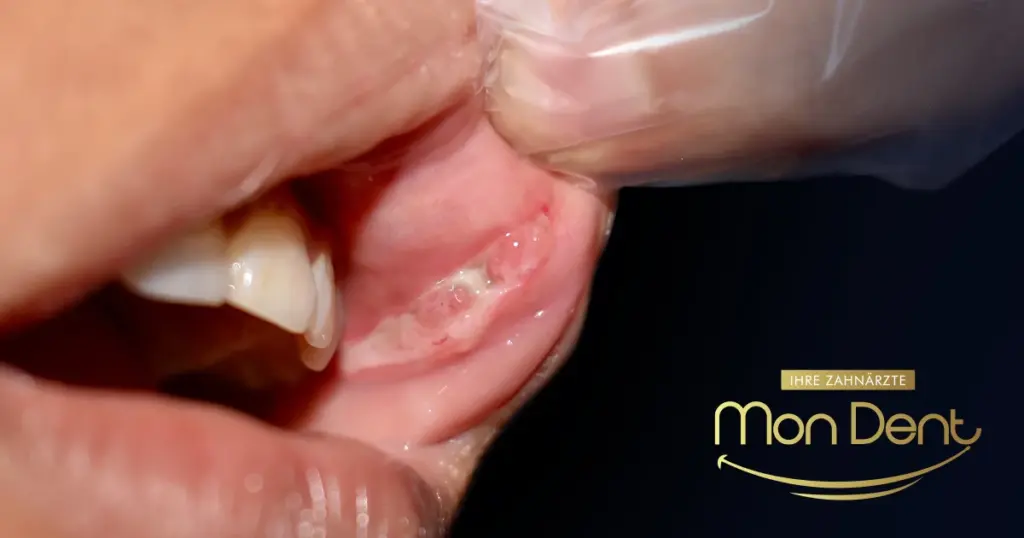
A sharp tooth edge, a rough filling, an ill-fitting denture, or a piece of braces can irritate the same area. Rough brushing or repeated cheek biting can also cause injury.
Pay attention to the position of the sore. If it appears right next to the area that is being scratched, show it to your dentist. The change may be a direct result of friction, rather than recurring canker sores.
In people who wear fixed braces It is helpful to describe which bracket or part of the wire is touching the mucosa. The orthodontist can assess whether correction or temporary protection is needed.
Do not grind the tooth, file the filling, or adjust the appliance yourself. If the cause is mechanical, the specific site of the injury needs to be addressed.
2. Pay attention to stress and the habits that accompany it
Emotional stress can be linked to the appearance of canker sores in people who are prone to them. Sometimes it is accompanied by habits such as biting the lip or cheek.
Think back to what happened before the last few episodes. Did the sores appear in similar circumstances or without a recognizable pattern?
Supplement the description “they occur when I am stressed” with specific details. For example: “They have occurred twice in the last three months, both times in the week before an exam.” Such a note is more useful than a general assumption about weak immunity.
Stress, however, should not be used as an explanation for every long-lasting or unusual change.
3. Consider food and oral hygiene products
For some people, certain foods or ingredients in products may be associated with the appearance of sores. Pastes that contain SLS, an ingredient that contributes to foaming, may be bothersome for some.
It is important to distinguish two things: What precedes the appearance of a sore and what burns when a sore already exists?Orange juice can cause severe pain in the damaged mucosa, but this in itself does not prove that it caused the canker sore.
If you are in doubt about the toothpaste, note its name and the date you started using it. Talk to your dentist about choosing a milder product.
Do not eliminate a large number of foods without a clear reason. In particular, avoid changing your diet, pasta, and several products at the same time, because then it will be difficult to assess what helped you.
4. Check if there is a reason for a vitamin and mineral analysis
Iron, vitamin B12, or folate deficiencies may be associated with recurrent canker sores. However, canker sores alone do not confirm that you are deficient in any of these nutrients.
Tell your doctor if you have a restricted diet, a history of anemia, long-term digestive problems, or other health problems. Based on the interview and examination, it will be determined whether the tests are justified.
Do not start taking iron or high doses of vitamins on your own. The goal is to determine whether there is a deficiency and, if so, why it has developed.
The possible connection between changes in the mouth and a lack of certain nutrients is also discussed. text about sores, spots and other changes in the oral cavity.
5. Mention medications and other symptoms
Some medications can cause oral ulcers. Bring a list of everything you are taking to your appointment, including over-the-counter medications, supplements, and herbal remedies.
Please state in particular if the changes occurred after the introduction of a new medication. Do not discontinue it without consulting the prescribing physician.
Recurrent ulcers sometimes occur with other conditions, including celiac disease and inflammatory bowel disease. That's why symptoms outside the mouth are important. Prolonged diarrhea, unexplained weight loss, or changes in other parts of the body are reasons to stop the conversation just about choosing a gel.
How to track repetition without guessing?
A brief record can help you describe the problem more precisely. It is not necessary to examine every part of the mucosa every day or record every meal.
It is enough to record a few pieces of information for each episode:
| What to watch | Example of a helpful note |
| Beginning | "I felt the stinging on Monday, saw the wound on Tuesday." |
| Place | "Inner side of lower lip, right." |
| Number of changes | "One sore, no new ones during the week." |
| Duration | "Completely disappeared after ten days." |
| Possible event before the appearance | "I bit my lip the day before." |
| Applied preparation | Product name, duration of use and observed effect. |
| Impact on everyday life | "I can drink water, but I avoid solid food because of the pain." |
A photo can supplement the notes, especially if the lesion heals before the appointment. Take it in good light, without pulling or pressing on the painful area.
The records serve to prepare for the examination, not to delay the examination. Don't wait to collect more episodes if the current sore is long-lasting or makes it difficult to take in fluids.
What does the examination look like and when are additional analyses needed?
The dentist will first examine the mucosa and check the teeth, fillings, and appliances near the change. He or she will then talk to you about the frequency, duration, previous treatments, and general health.
In the case of occasional, typical canker sores, laboratory tests are not always necessary. In the case of frequent, numerous, or severe changes, the doctor may recommend a blood test and a check of certain nutrients. Additional workup depends on the findings and accompanying symptoms.
Ask specific questions during the review:
- Does the change in appearance correspond to aphthae?
- Is there a place that constantly hurts the mucous membrane?
- Are analyses necessary in my case?
- Which preparation corresponds to the finding and how long should it be used?
- When should I come for a check-up if the sore doesn't go away?
It is helpful for therapy to have a clear follow-up plan. You need to know what to expect and when to check in again.
How long do mouth ulcers last?
Small canker sores usually heal within one to two weeks and do not leave a scar. Larger, deeper lesions can last longer and be significantly more painful.
However, a sore that persists for a long time should not be considered a canker sore on its own. If it lasts for two weeks or longer, schedule an appointment. The same applies if it is different from previous changes or new sores appear before the old ones heal.
Pain reduction is not the same as healing
The product can relieve the burning sensation while the lesion is still present. Therefore, the statement "it doesn't hurt anymore" is not the same as "the lesion is completely gone."
When recurrences occur in the same location, try to remember whether the mucosa looked normal between episodes. A persistent change requires a different assessment than new sores with a symptom-free period between them.
How to make eating, drinking and brushing your teeth easier?
While the wound heals, the goal is to reduce further irritation and maintain fluid intake and oral hygiene.
Choose softer foods that you can eat without severe pain. Avoid very hot drinks, hard and spicy foods, and sour, spicy, or extremely salty foods if they cause a burning sensation.
There is no one-size-fits-all diet. If a certain food bothers you, temporarily choose another with similar nutritional value that you can tolerate more easily.
Continue to gently brush your teeth.
Use a soft brush and gentle movements. Do not scrub the wound itself or try to remove its bright center.
If brushing hurts a lot, ask your dentist how to adjust your hygiene. Giving up brushing altogether is not a good long-term solution.
Avoid alcohol-based lotions if they irritate the mucous membranes. A stronger burning sensation after applying the product is not proof that it is working better.
Do not try to "burn" the canker sore.
Direct application of alcohol, undiluted products, or other aggressive home mixtures can further damage the mucous membrane.
Oral preparations have a specific purpose and method of application. A product that is safe for the skin may not be suitable for a mouth ulcer.
If the product you applied is burning badly or making your symptoms worse, do not repeat the application just because someone told you that such a reaction is expected.
Gel or spray for mouth ulcers: what is more important than the shape of the product?
Gels and sprays can contain different ingredients. Some preparations primarily create a protective layer, while others relieve pain or act on inflammation. The name "canker sore spray" alone is therefore not enough to make a choice.
Tell the pharmacist how long the sore has been present, where it is located, and whether you are choosing the product for a child or an adult. Check age restrictions, frequency of use, and maximum duration of use.
It is also practical to consider whether you can apply the product correctly. It is difficult to fairly evaluate a product that consistently misses the painful spot or is used differently than the instructions say.
When is prescription therapy needed?
For more severe or frequent problems, the dentist may recommend prescription topical therapy, including corticosteroid preparations when indicated.
Such a choice is made after an examination. Not every wound is suitable for the same therapy, and a medication that has previously been prescribed to another person should not be used without evaluation.
If the product only provides short-term pain relief, note this. It is important for the dentist to know how long the relief lasts and whether the change itself is decreasing.
Natural products and propolis: how to avoid false expectations?
When a problem recurs, it makes sense to seek a natural solution. However, the origin of an ingredient does not say enough about its effectiveness, concentration, or suitability for a specific person.
It is not justified to promise that propolis will reliably remove canker sores or prevent their return. The available evidence of benefit has limitations, and products vary in composition.
If you are considering propolis for mouth ulcers, show the product to your pharmacist. Check that it is intended for oral mucosa and is appropriate for your age and health condition.
In particular, avoid trying multiple home remedies at the same time. If your condition improves or worsens, you will not know which product contributed to it. A photo of the packaging and a brief note on the application can help when discussing it with your dentist later.
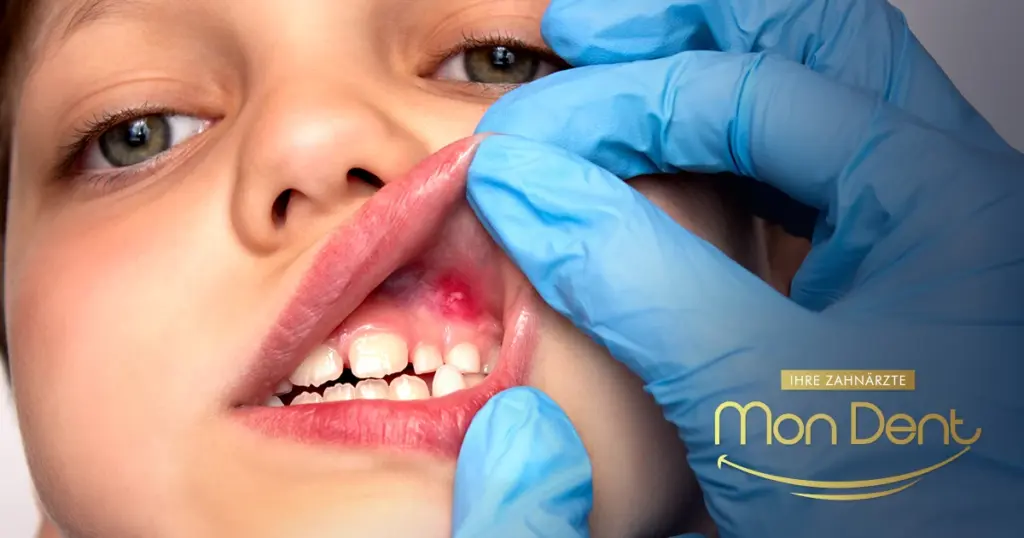
Mouth ulcers in children: what should parents monitor?
In addition to the appearance of the wound, monitor your child's general condition. It is important to check whether he or she is drinking, urinating normally, has a fever, or has a rash.
Sores accompanied by changes on the hands and feet can occur with hand, foot, and mouth disease. Therefore, not every change should automatically be considered aphthous ulcers.
Choose the product according to age and the advice of a healthcare professional. Do not give a rinsing solution to a child who cannot spit reliably.
If your child is refusing fluids due to pain, urinating less than usual, has no tears when crying, or is unusually sleepy, seek immediate medical evaluation. Don't wait until the sore heals first.
What if you notice changes in your baby?
In a baby, white deposits, sores, and redness require careful evaluation, especially if the baby is not sucking well or refusing meals.
Before talking to your pediatrician, note when the changes started, how your baby is eating, and whether he has fewer wet diapers. This information is more useful than assuming that teething is the cause.
Do not give a smaller amount of an adult product. A smaller amount does not automatically mean that the product is safe for the baby.
How to assess whether the condition is improving?
With recurring canker sores, it's helpful to monitor more than just the immediate pain. Talk to your dentist about what constitutes improvement in your case.
These may be shorter episodes, fewer sores, easier eating, or longer periods without symptoms. If the pain subsides but the changes occur almost continuously, it is important to mention this at your check-up.
Compare the last episode to the previous one in specific words. For example: “This time I was able to drink normally, but the sore lasted just as long.”
Such a description allows for a more precise assessment than the answer “a little better.” The goal is to get a plan that fits your experience, with realistic expectations of therapy.
Conclusion
If mouth ulcers recur, the examination should clarify what changes are involved and what warrants further investigation. Bring notes on the duration of the episodes, photographs if you have them, and a list of medications used.
At MonDent, the assessment of changes in the oral mucosa is carried out within the framework of periodontology and oral medicineBased on the findings, appropriate care, therapy, or additional treatment may be recommended.
Make an appointment at MonDent clinic in Banja Luka and state how long the symptoms last, how often they come back, and whether they make it difficult for you to eat or drink.
Frequently asked questions
Are mouth ulcers contagious?
Canker sores are not contagious and are not spread by kissing or sharing utensils. Herpes and some other lesions have a different cause and can be spread. If you are not sure what you have, do not judge based on the location or color of the sore.
Does each recurrence mean a decrease in immunity?
No. The term "decreased immunity" is not a precise enough explanation. Local injury, individual predisposition, and other factors are possible. If the sores often return, it is more useful to assess the problem through an examination rather than choosing immunity preparations on your own.
Should I take vitamin B12?
Not automatically. The need for analysis and supplementation depends on diet, symptoms, previous findings, and doctor's assessment. If you are already taking a supplement, please state its name and dosage.
Why does a sore keep appearing in the same place?
One possibility is repeated trauma to the tooth, filling, or appliance. The area should be examined by a dentist. It is especially important to determine whether the change completely resolves between episodes.
Is there a best spray for everyone?
There is no single product that suits every situation. The choice depends on the findings, age, composition of the product, and symptoms. If the product does not provide the expected relief, do not increase the frequency of application on your own.
Can canker sores disappear overnight?
It is unrealistic to expect every product to clear up a sore overnight. The pain may subside before it is completely healed. The promise of immediate healing should not be the main criterion for purchase.
When should I get checked again?
Contact us according to the agreed-upon control plan, and earlier if the condition worsens, the wound does not heal, or new symptoms appear. If the therapy did not help, bring information about its use so that we can assess what to do next.


 BA
BA DE
DE SL
SL EN
EN ZH
ZH it_IT
it_IT