






Content:
- What are fixed braces?
- Advantages of fixed braces
- Types of fixed braces
- Duration of therapy and treatment phases
- Price of fixed braces
- Orthodontics – when to seek professional helpć
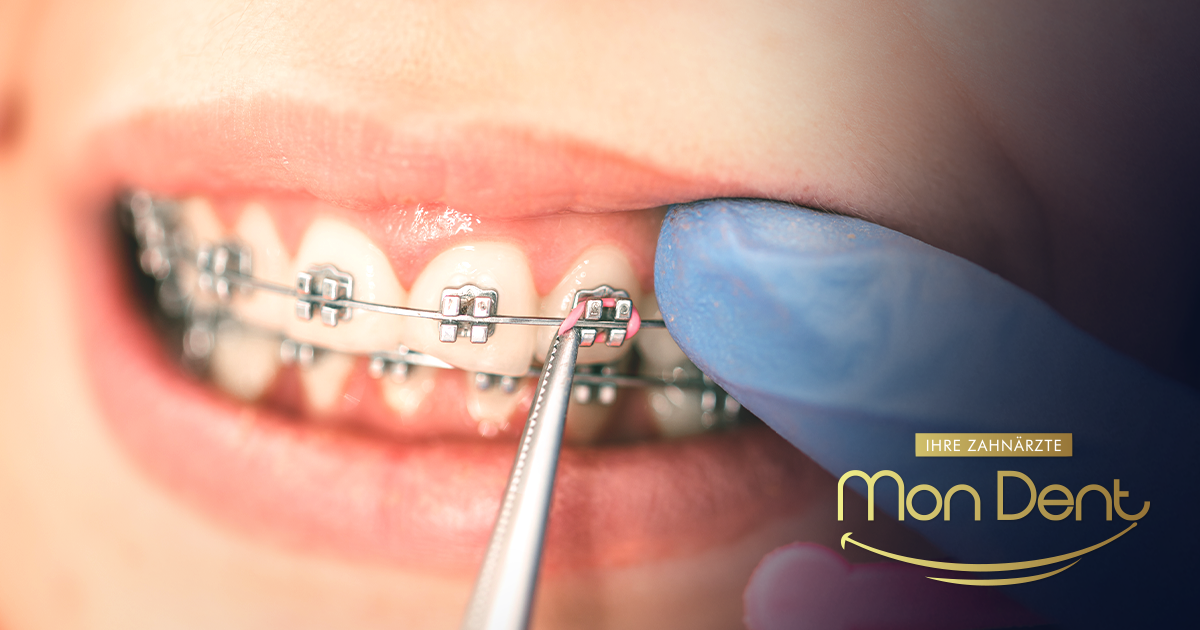
Fixed braces are the most effective way to correct misalignment. What makes them special is their stable construction: a bracket (metal or ceramic) is glued to each tooth, and a thin wire creates constant, gentle pressure that moves the teeth into the correct position.
An early orthodontic examination and treatment plan are the keys to success, and this includes scheduling an appointment with orthodontic specialists at the very beginning of the process. So, if you've been wondering how to solve the problem of crooked teeth, contact our orthodontist team and learn all about fixed prostheses and the most modern treatment methods.
What are fixed braces?
Fixed braces are orthodontic appliances that are permanently placed on the teeth to correct their position. In orthodontics, the branch of dentistry that deals with creating a proper bite, fixed braces are used on all patients, both children and adults. The main goal of these braces is to correct crooked bite and place the teeth in an optimal arrangement. Efficiency is achieved by constant pressure: under the control of the orthodontist, the wire on the brackets gradually guides the teeth into the desired position.
Who is fixed braces intended for?
Fixed braces are ideal for people with crowded or spaced teeth, as well as those who have bite problems (e.g. open or underbite). If your smile is not what you would like, fixed braces may be the solution.
Difference from a mobile device
Unlike mobile devices, fixed braces is not removed during therapy. Removal is recommended only after the treatment is completed. Thanks to continuous wear throughout the day and night, fixed braces achieve more precise control of tooth movement.
Advantages of fixed braces
Fixed braces are the most effective way to straighten teeth because they work from the first day of treatment. The benefits include:
- Controlled tooth movement: Since the appliance is permanent (permanently on the teeth), the orthodontist can precisely control the forces acting on each tooth.
- Aesthetics and health: An aligned smile significantly improves your aesthetic appearance. Straighter teeth are easier to clean, which reduces the risk of cavities and gum disease. Properly aligned teeth improve chewing and speech function.
- Long-term result: After therapy, the result is maintained thanks to retainers (fixed or mobile), which prevent the teeth from returning to their original position.
- Increased self-confidence: People often gain more self-confidence because a proper smile leaves a positive impression.
Types of fixed braces
There are several types of fixed braces, differing in the construction of the brackets or material:
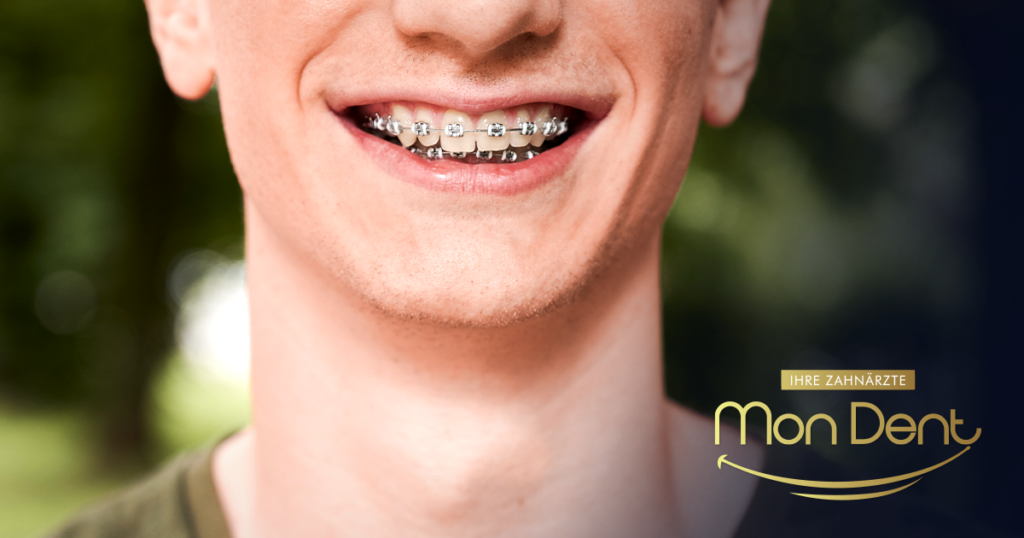
- Metal braces: The most common and cheapest option. Metal braces with elastic bands or wires achieve excellent functionality, but are visible. The cost of metal fixed braces is usually the lowest – in BiH, it ranges from 700–1,300 KM per jaw.
- Ceramic (transparent) braces: Braces made of ceramic or transparent material are almost invisible on the teeth. They are ideal for patients who want a more discreet look. The price is higher – around 1,000–1,800 KM per brace – but the aesthetic result often justifies the investment.
- Self-ligating braces: It uses special brackets with a clip mechanism that eliminates the need for rubber bands to secure the wire. The advantages are less friction and easier hygiene. Prices vary, but are similar to metal or ceramic braces, depending on the material of the brackets.
- Lingual braces: Braces are placed on the inside of the teeth (above the tongue), so they are completely invisible from the outside. This is the most expensive option for orthodontic treatment due to the demanding fabrication and placement. The advantage is discretion, but maintenance is more demanding.
- Invisalign and clear films (invisible braces): Although not technically “fixed” (the trays are removable), Invisalign and similar clear aligner systems are a popular modern alternative. The trays are nearly invisible and very aesthetic, but they must be worn 20–22 hours a day and often come at a higher price. For many, the benefits of visibility and comfort may justify the expense.
Duration of therapy and treatment phases
Typically, orthodontic treatment with fixed braces lasts between 1 and 3 years. The length depends on the complexity of the irregularity, the patient's age, and regular cooperation with the orthodontist: each tooth needs time to change position in the jawbone.
The key factors are:
- Scope of the problem: Multiple irregularities (e.g., severe overbite or very crowded teeth) require longer braces to be worn.
- Patient's age: Younger patients usually respond more quickly because their bones are still developing, while in adults, therapy may take longer.
- Following instructions: Regular check-ups (approximately every 4–6 weeks) and wearing additional elements (elastic bands, springs) as prescribed will shorten the therapy time.
Once the desired movement is achieved, the appliance is removed. This is followed by retention phase. The retention phase is when the patient wears a retainer (fixed or removable) to keep the teeth in their new positions. Even after the braces are removed, it is important to maintain retention regularly – our orthodontist will explain a plan for this.
Pain and discomfort when wearing braces
Most patients experience mild discomfort from fixed braces, especially in the first few days after the braces are fitted or adjusted. The pain or pressure usually lasts for 3–5 days and gradually subsides as the teeth adjust to their new position. To help ease the discomfort:
- Orthodontic wax: Apply it to a brace or wire that is irritating the inside of your lips or cheeks.
- Analgesics: Medications such as ibuprofen or paracetamol can relieve pain, as directed by your doctor.
- Cold compresses: Hold a cold compress (e.g. a frozen cloth) on your cheeks – the cold reduces swelling and pain.
- Soft diet: Eat soft foods (such as yogurt, purees, soups, soft cheeses) for a few days to relieve the pressure on your teeth. Avoid hard or sticky foods until your teeth adjust.
Most patients report that the discomfort is almost gone after a few weeks. Remember that the feeling of pressure is a sign that the braces are working – they are pressing on the teeth and creating space for them to move properly.
Proper care, cleaning and nutrition during therapy
Proper hygiene is extremely important when you have fixed braces. Residual food and plaque can build up around the brackets, so thorough cleaning is necessary:
- Brushing teeth: Use an orthodontic brush or a soft toothbrush with a small head to thoroughly clean around each bracket. Brushing after each meal prevents plaque buildup.
- Interdental tools: An interdental brush or floss designed for fixed braces helps reach hard-to-reach places between wires and teeth.
- Regular cleaning at the dentist: By placing stress on teeth and braces, the need for professional cleaning (removal of tartar and plaque) increases. We recommend visiting the dentist every 6 months to prevent cavities and periodontal disease.
- Nutrition: Immediately after the braces are fitted, the food should be soft and warm (e.g. boiled potatoes, vegetables, yoghurts, soups, boiled eggs). Avoid hard and sticky foods (candy, peanuts, hard fruit or whole vegetables), as they can damage the braces and wire. When eating harder foods (e.g. apples), cut them into smaller pieces and chew them with your back teeth. A careful approach to eating will protect both your braces and your smile.
Price of fixed braces
One of the most common questions is “How much do fixed braces cost?” The price of therapy varies depending on several factors:
- Lock material: Metal braces are the most affordable (700–1,300 KM per jaw). Ceramic or sapphire braces (transparent braces) cost more (1,000–1,800 KM per jaw). Lingual braces (invisible from the back) are the most expensive.
- Case complexity: If you have more severe orthodontic anomalies, longer braces and possibly additional orthodontic elements are required – which can increase the cost.
- Orthodontist experience: Prices can vary from practice to practice. A professional, experienced orthodontist may be more expensive, but they provide assurance that the therapy will be more successful.
- The price usually includes: initial orthodontic examination, placement of the braces, all check-ups during therapy and removal of the braces. Retainers are often charged separately.
Advice: While investing in fixed braces is significant, keep in mind that it is a permanent investment in a healthy smile. The cheapest option (metal braces) and the most expensive (Invisalign/lingual) can be tailored to any budget – talk to your orthodontist about financing and installment payment options.
Orthodontics – when to seek professional help
Orthodontic therapy is not just a cosmetic procedure, but a branch of dentistry (orthodontics) that deals with correcting the position of the teeth and jaws. The first step is to visit an orthodontist for an evaluation: a professional examination is recommended for anyone with irregularities in their bite or tooth position. Symptoms that you should visit an orthodontist include:
– Crowding or misalignment of teeth (difficult brushing, frequent swelling of the gums)
– Bite problems (jaw pain, grinding, difficulty chewing)
– Aesthetic insecurity due to a crooked smile
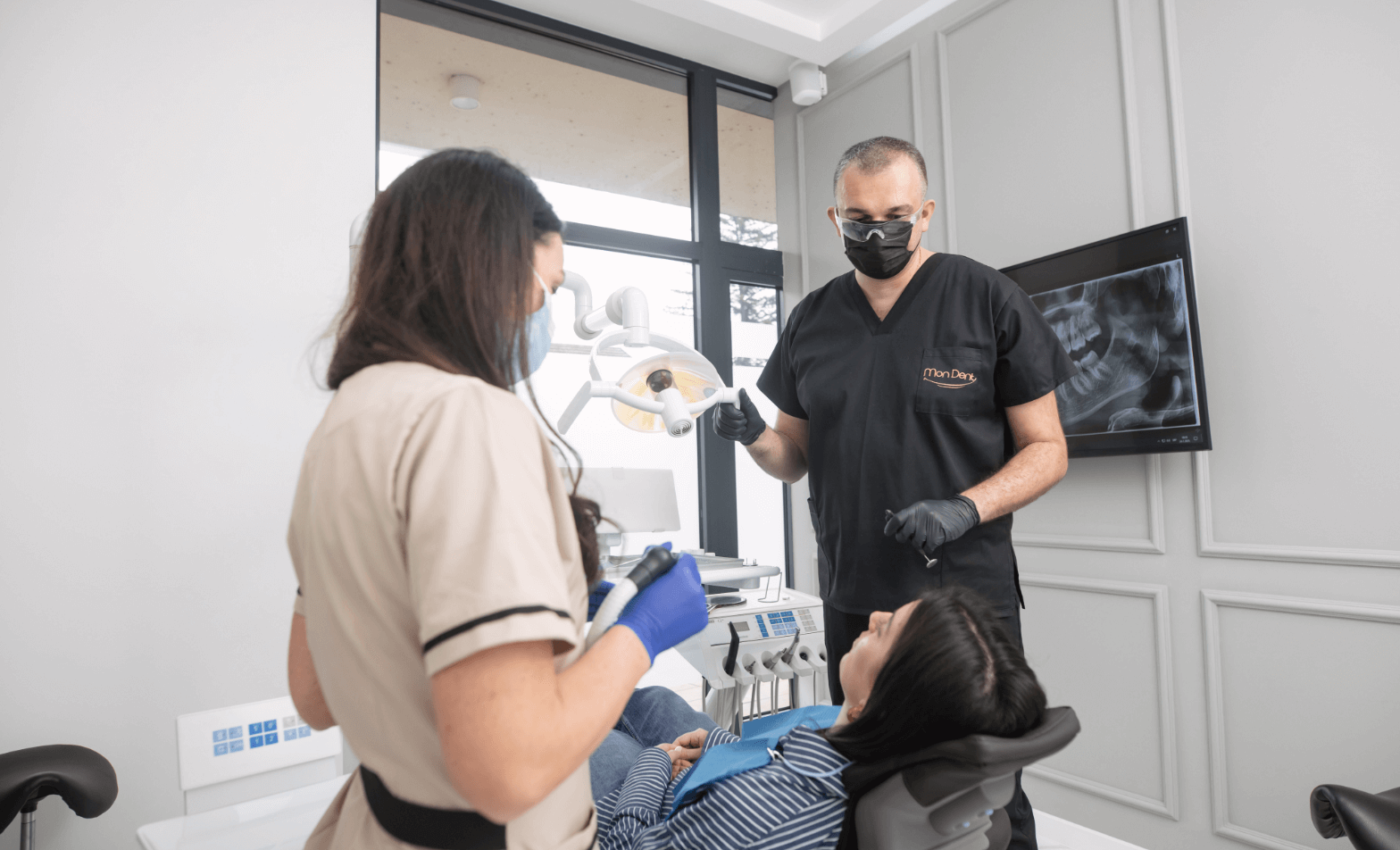
Orthodontics ensures that every child and adult has the most functional and beautiful smile possible. An appointment with an orthodontist will provide you with a detailed plan. At MonDent, we will carefully analyze your findings, discuss all options, and together we will choose the best treatment (fixed braces, foils, or another appliance).
Meet our expert for your perfect smile: Dr. Ognjen Antešević
At MonDent Dental Center, your smile is in in safe and professional handsHe is responsible for the field of orthodontics. Dr. Ognjen Antešević, a specialist in jaw orthopedics.
Dr. Antešević graduated from the Faculty of Medicine - Department of Dentistry in Banja Luka, where he successfully completed his specialization in jaw orthopedics. He built and perfected his extensive clinical experience abroad, completing the majority of his residency at the esteemed Military Medical Academy (MMA) in Belgrade.
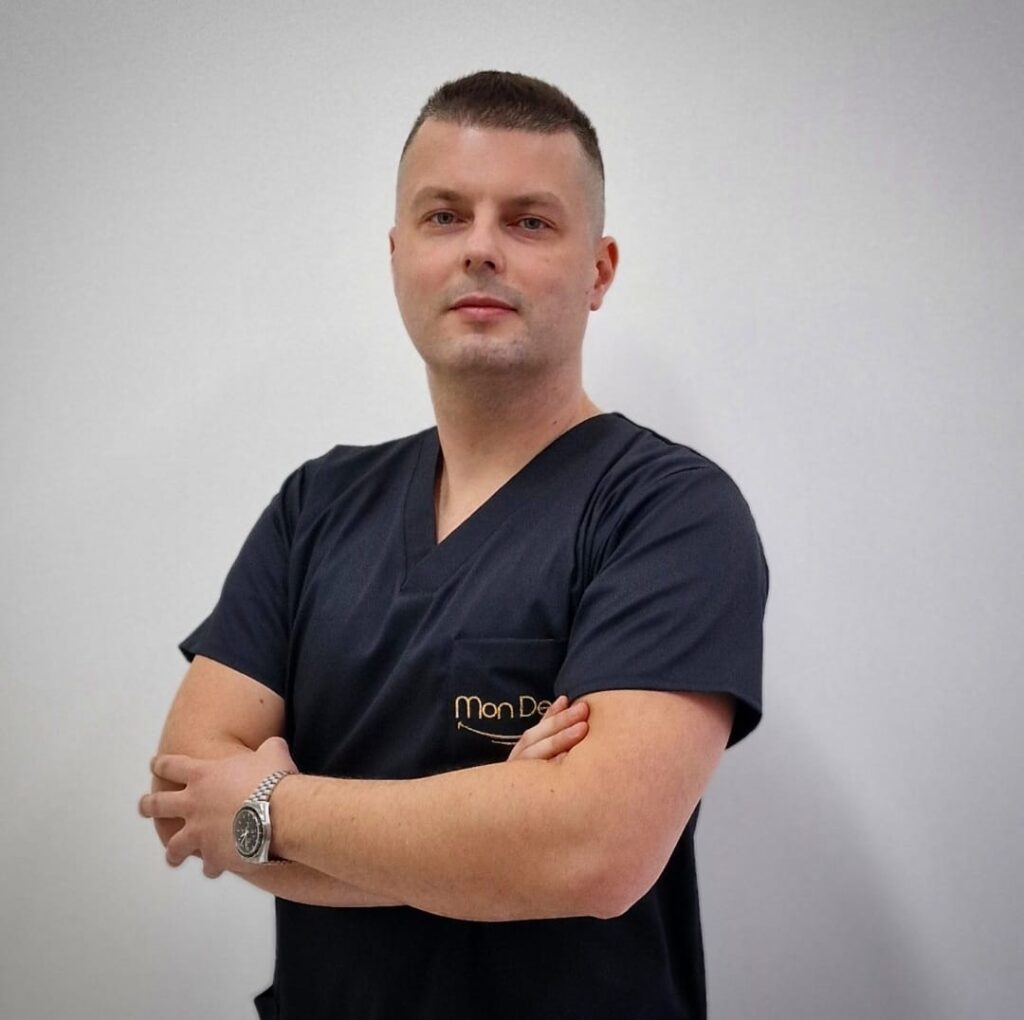
As a dedicated expert, he regularly attends numerous domestic and international training courses. Thanks to his continuous professional development, Dr. Antešević follows the latest global trends in orthodontics, ensuring his patients receive the most modern, comfortable, and effective therapy.
Conclusion
Fixed braces remain the gold standard in treating crooked and irregular teeth. With proper care and collaboration with an orthodontist, the therapy brings straight teeth, a healthier bite and greater self-confidence. Don't hesitate if you need a change, by scheduling an appointment with an orthodontist you are taking the first step towards a perfect smile. Our team is here to provide all the necessary information, advice and support throughout the entire process. Book orthodontic examination today and find out which options are best suited to you. Your new smile awaits – let's move towards healthier and more beautiful teeth together!


 BA
BA DE
DE SL
SL EN
EN ZH
ZH it_IT
it_IT