









The most important truth about periodontal disease is rarely spoken out loud: active therapy is not the end, but the beginning. When a dentist removes tartar, treats deep periodontal pockets, and calms down inflammation, the disease is stopped, but not gone. Periodontal disease is a chronic disease, and what determines whether your teeth will remain strong for the next ten or twenty years is the phase that comes after active therapy - the maintenance phase.
Therefore, successful periodontal treatment should be viewed as a two-step process, not a single visit to the dentist. If you have already read what they look like early symptoms of periodontitis i What options are there for tooth loss?, this text goes a step further. It explains what happens after periodontal treatment enters a dormant phase and why the disease almost always returns in careless patients. This is the part of the story that most people completely overlook, and it is what distinguishes a permanently preserved smile from a tooth that has become loose again.
Why periodontal treatment doesn't stop when you get out of the chair
Periodontal disease is caused by a bacterial biofilm that constantly forms on the teeth. Active therapy removes this biofilm and hard deposits mechanically, below and above the gum line. The problem is that the bacteria return within a few hours after cleaning. In a healthy person, this is not dangerous, but in a patient who has once had periodontal disease, the tissue is weakened and the body's defense response is oversensitive. Therefore, even a small amount of residual plaque can trigger inflammation again.
That is why dentists distinguish between two phases. The active phase stops the disease and returns the gums to a calm state. The maintenance phase, known in the professional literature as supportive periodontal therapy, preserves this result through regular, pre-scheduled check-ups. Without the second phase, the first one loses its meaning. Data from periodontal practice clearly show that patients who skip maintenance check-ups lose teeth significantly more often than those who respect them, regardless of how successful the active therapy was. In other words, periodontal treatment provides lasting results only if it is continued after the symptoms disappear.
What is supportive periodontal therapy?
The maintenance phase is not just a regular dental cleaning. It is a structured follow-up program tailored to your condition. For most patients who have undergone periodontal treatment, follow-up appointments are scheduled every three to four months, as this is the time it takes for the bacterial biofilm in the pockets to reorganize to a level that can damage the tissue.
At each check-up at the dental office, the dentist does several things. He or she uses a periodontal probe to remeasure the depth of the pockets and compares it to the previous finding, checks whether the gums bleed when touched, assesses tooth mobility, and examines the areas that were previously the most problematic. Next professional stone cleaning and removing soft deposits from all surfaces, including the areas under the gums that you cannot reach at home. If there is a sign of re-inflammation, it is acted upon immediately, while the problem is still small and can be resolved without major intervention. It is precisely this regularity that is why the maintenance phase is considered as important a part of periodontal treatment as the active therapy itself.
How long does the maintenance phase last?
This is the question patients ask most often, and the answer surprises many: the maintenance phase lasts a lifetime. Since periodontal disease is a chronic disease, there is no point in time when the patient can return to their pre-disease habits. This does not mean that you will spend your entire life in a chair, but that a few short, planned check-ups a year become a permanent part of your routine, just like regular medical check-ups.
The dynamics of control is not the same for everyone. In patients with milder forms and excellent hygiene, the interval can sometimes be extended to six months. In those with advanced disease, deep pockets or additional risk factors, control remains more frequent. The goal of periodontal treatment at this stage is not to tie you to the office, but to keep the disease in a calm, controlled state forever.
Why periodontal disease is coming back: five real reasons
The recurrence of the disease is almost never a coincidence. There are specific reasons behind it:
- Skipping controls. The most common cause. The patient feels well, decides he is cured and stops coming. The disease returns silently for months before making itself felt again.
- Insufficient hygiene at home. The success of treatment depends half on the dentist and half on the patient. A regular toothbrush does not clean the spaces between the teeth, and this is where periodontal disease most often starts again.
- Smoking. Nicotine constricts blood vessels in the gums and masks inflammation, so smokers often don't notice that their disease has returned until their teeth start to loosen.
- Uncontrolled diabetes. High blood sugar weakens the body's defenses and feeds bacteria, which is why periodontal disease returns faster and more aggressively in diabetics.
- Deep pockets left behind. If any pockets remain deeper than desired, they are a constant hiding place for bacteria and require more frequent monitoring or additional intervention.
What all of these reasons have in common is that each of them can be controlled. That is why well-managed periodontal treatment always includes a discussion about risk factors, not just mechanical cleaning.
Your home protocol after treatment
The maintenance phase does not only live in the office. What you do daily at home is more important than before the illness, because now you are preserving weakened tissue. Quality home care after treatment includes brushing your teeth with a soft toothbrush twice a day using the correct technique, mandatory cleaning of interdental spaces with interdental brushes or floss, and, if necessary, using an oral irrigator to rinse shallow pockets. Antiseptic-based mouthwashes are used only when recommended by the dentist and only temporarily, as they are not a substitute for mechanical cleaning.
It is especially important to coordinate your brushing technique and choice of tools with the advice of your dentist. Interdental brushes, for example, come in different sizes, and the wrong size will either not clean the space or will hurt the gums. The same tool does not suit every patient, and here an individual approach again shows how important it is for the long-term result of periodontal treatment. The goal is not perfection in one day, but consistency every day. It is this routine that keeps bacteria below the threshold at which they can do damage again.
Diet and habits that support periodontal disease treatment
Few patients know that daily habits directly affect gum health. A diet rich in sugars and simple carbohydrates feeds bacteria in the mouth and encourages plaque formation, while foods rich in vitamin C and vitamin D support healthy connective tissue and bones. Adequate water intake helps saliva naturally wash away food debris and bacteria.
Quitting smoking is probably the biggest single change a patient can make. After quitting, the gums gradually regain normal blood flow, inflammation becomes visible and predictable, and the results of periodontal treatment are much more stable. Stress management and quality sleep also play a role, as chronic stress weakens the immune response and makes it harder for the body to keep infection under control. All of these habits together create an environment in which the disease is more difficult to return.
How to recognize that the disease is returning
In a patient who has once undergone periodontal treatment, even the slightest sign should be taken seriously. Bleeding gums when brushing is the first and most reliable alarm. This is followed by swelling or redness of the gums in certain areas, the return of bad breath that does not go away, a new sensation of shifting or sensitivity of the teeth, and a change in the way the teeth fit together. If you notice any of the above, do not wait for the next scheduled check-up, but call your dentist sooner. Early action almost always means an easier solution and less expense.
What if periodontitis comes back?
The return of the disease is not a failure and does not mean that all is lost. If the check-up determines that the inflammation has returned or that a pocket has deepened, the area is re-treated. In many cases, additional causal therapy is sufficient, i.e. targeted deep cleansing of the affected area under local anesthesia. When the changes are more pronounced, minor surgical or regenerative methods are considered to access deeper pockets and stimulate tissue renewal.
The key advantage of a patient in the maintenance phase is time. Because the problem is detected early, re-intervention is usually smaller, faster, and more successful than the first time. This is another reason why consistent periodontal treatment through regular check-ups saves both teeth and money in the long run.
Why long-term control is also beneficial for your overall health
Keeping periodontal disease under control isn't just a matter of teeth. Chronic gum inflammation is associated with increased risk for heart and blood vessel disease, difficulty regulating blood sugar in diabetics, and complications during pregnancy. When you keep periodontal disease at bay, you're not just saving your smile, you're also reducing the ever-simmering inflammatory burden on your entire body.
That's why periodontal treatment has a value that goes far beyond aesthetics. Healthy gums mean fewer bacteria in the bloodstream and more stable overall health, and that's the strongest reason why the maintenance phase is worth the effort and time.
Maintenance phase at MonDent office
At MonDent, the maintenance phase is not a standard term for everyone, but a plan that is created for each patient individually, based on how advanced the disease was and what the risk factors are. As Dr. Mladen Popović, a dentist at MonDent team, the biggest mistake is made by patients who disappear as soon as they feel better, because periodontal disease returns silently and painlessly, and when it becomes visible again, valuable time and a part of the bone have been lost.
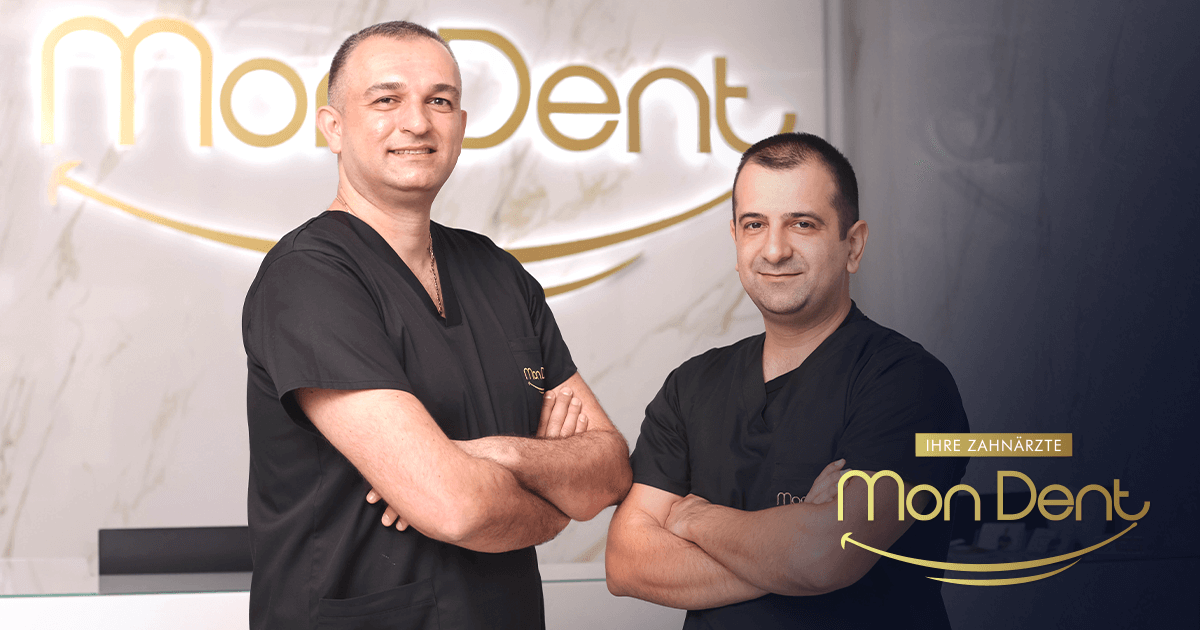
If you are looking for a reliable dentist in Banja Luka who does not just solve periodontal disease once but guides you through a comprehensive periodontal disease treatment and long-term maintenance, the MonDent team is at your disposal with modern equipment and a clear check-up plan. Each patient receives a check-up schedule tailored to their condition, instructions for home care, and support in changing habits that affect gum health.
Conclusion
Periodontal disease cannot be cured in the sense of disappearing forever, but it can be kept under complete control for decades. Active therapy stops the disease, and the maintenance phase preserves that result. Regular check-ups every three to four months, consistent hygiene at home, healthy habits and a quick reaction to the first signs of relapse are the formula that saves natural teeth. Don't let the effort you put into periodontal disease treatment go to waste because of skipped check-ups.
Schedule your maintenance checkup at MonDent dental office. and preserve the results of your treatment in the long term.
Frequently asked questions about the maintenance phase
Does the maintenance phase hurt?
No. Regular check-ups and professional cleanings are painless, and local anesthesia is used for more sensitive patients. The goal is comfort and predictability, not discomfort.
Can I have check-ups at any dentist?
It is best to have the maintenance phase led by a dentist familiar with your findings from the beginning of periodontal treatment, as comparison with previous measurements reveals even the slightest change. Continuity is a big advantage here.
What if I skip a check?
One missed appointment isn't a disaster, but don't make a habit of it. The longer you put it off, the more time bacteria have to do damage again. Schedule a new appointment as soon as you realize you've skipped it.
Will I ever be completely cured?
Periodontal disease cannot be eliminated forever because it is chronic, but it can be kept under complete control for decades. With consistent periodontal treatment and maintenance, your teeth can remain functional and strong for a very long time.


 BA
BA DE
DE SL
SL EN
EN ZH
ZH it_IT
it_IT