






Content:
- Assessment of the patient's health status
- Diagnostics and preparatory procedures
- Dental implant placement – procedure
- Recovery after the procedure
- Expected results and long-term care
- Conclusion
- FAQ
Is dental implant placement safe and advisable for the elderly? Today, implants are successfully placed in patients in their seventies and eighties. When it comes to dental implant placement, the most important factors are stable general health and the quality of the jawbone.
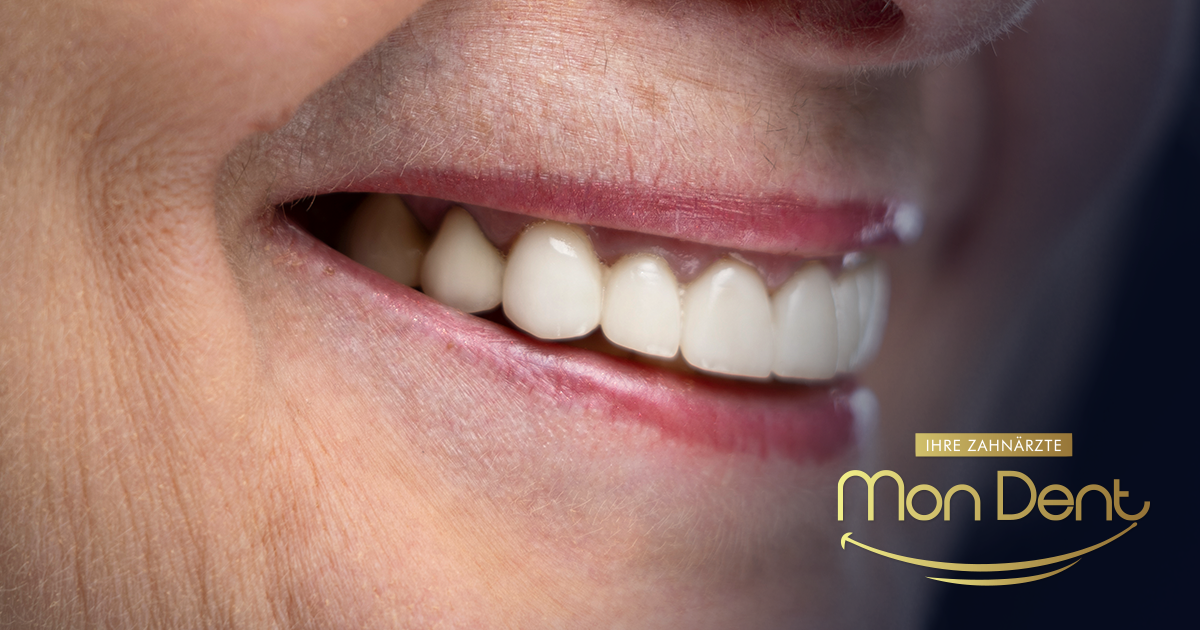
Dental implants in older adults restore a full smile, natural tooth function, and self-confidence. With the right treatment plan and an experienced team, the process is safe and delivers excellent results. That's why by scheduling an appointment at the MonDent office Older people can start the journey to a new, more confident smile without fear.
Assessment of the patient's health status
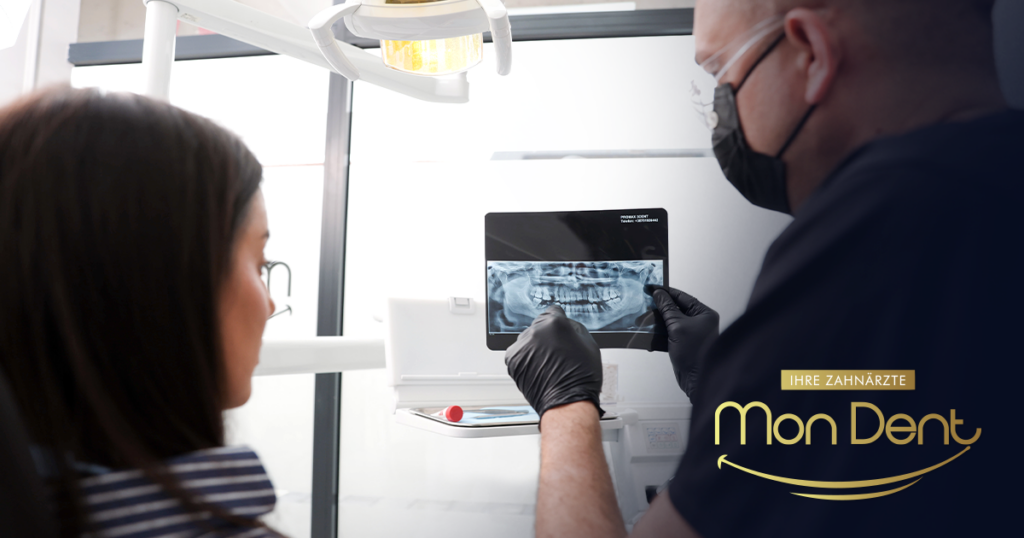
When it comes to dental implant placement, the dentist first conducts a detailed assessment of the patient's general health. In addition to a health history and treatments, an X-ray of the jaw is taken to accurately measure the quantity and quality of bone.
The MonDent team uses advanced diagnostic methods. Three-dimensional X-rays provide a clear insight into the bone structure, and we also use intraoral digital scanners for detailed mapping of the mouth. Based on the collected data, a detailed plan is created: the number and position of implants are determined, as well as any preparatory procedures (extraction of remaining teeth, treatment of infections or bone augmentation) so that the placement of dental implants is safe and successful.
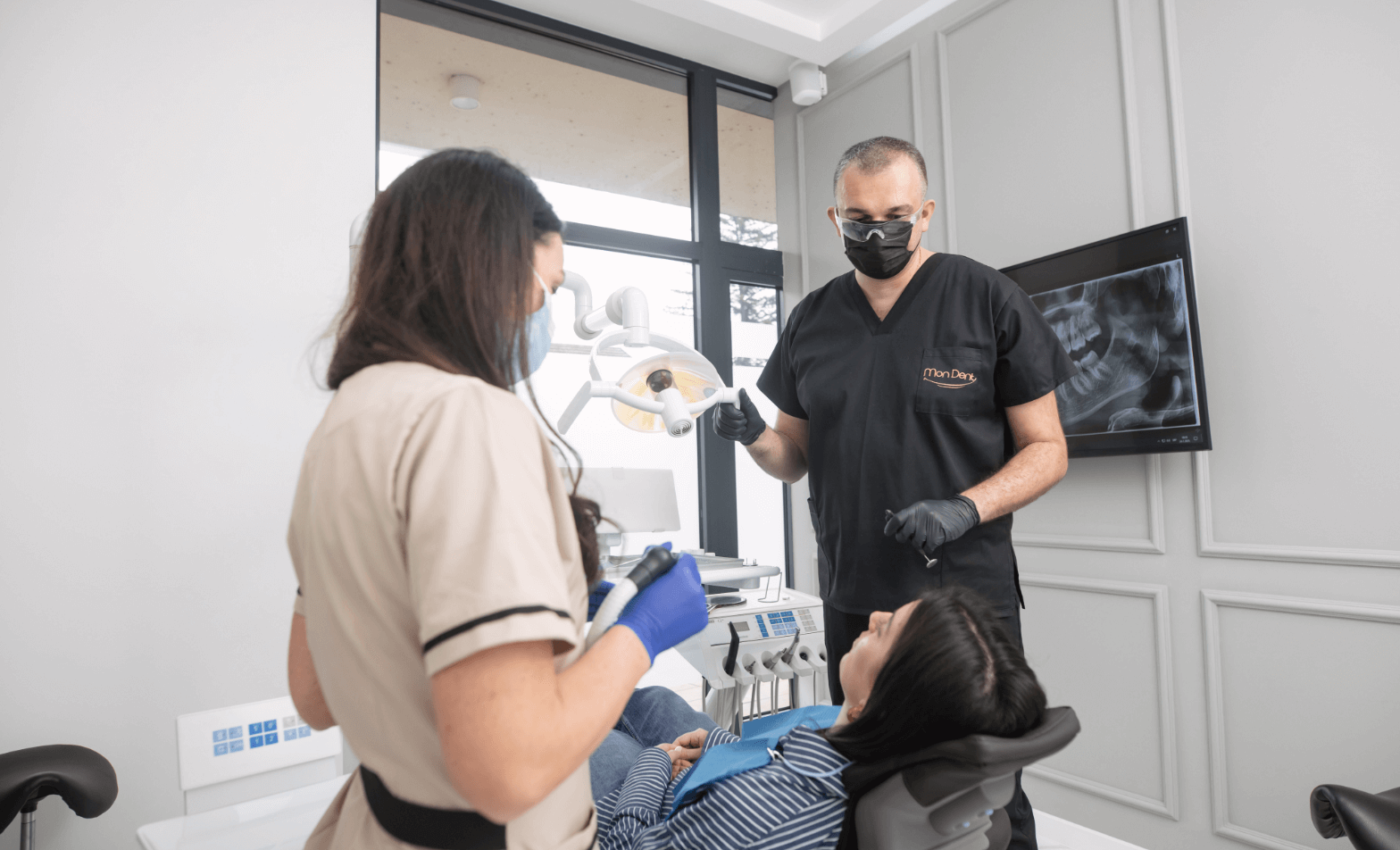
During the initial consultation, the dentist takes a complete medical history and performs a 3D scan of the jaw. Precise diagnostics allow for an individual implant placement plan.
MonDent dental office takes care of all patients
MonDent takes special care of chronic diseases that are more common in older patients. Incomplete treatment of a stroke or uncontrolled diabetes can prolong the healing process, so extra attention is paid to these factors.
However, even in patients with well-controlled diabetes, cardiovascular or thyroid diseases, implant treatment is possible. It is only important that these disorders are stable and that the dentist knows your medical history well before the procedure. For example, the treatment of osteoporosis with bisphosphonates often requires special precautions. We plan all this carefully so that the procedure itself goes smoothly. The ultimate goal is for the patient to feel safe – with all the expertise and the latest equipment of MonDent.
Diagnostics and preparatory procedures
Precise preparation is the key to success. In addition to imaging, we also use high-tech devices for digital mapping of the mouth.
If a bone deficiency is detected on the X-ray, we plan in a timely manner bone augmentation or other additional procedures. For example, patients without upper molars are often sinus lift, raising the sinus floor to create sufficient space for the implant. With modern methods, these procedures have become routine – biocompatible materials are used and it is minimally invasive. Thanks to this, patients with bone deficiency can also successfully receive implants.
MonDent practice uses state-of-the-art diagnostics – 3D CBCT and intraoral scanners – to ensure that every step of implant placement is precisely planned and tailored to the patient.
Dental implant placement – procedure
The surgical procedure for implant placement in the elderly is performed similarly to that in younger people: precisely, with local anesthesia and according to an individual plan. The placement procedure takes a relatively short time (from 30 minutes to a few hours, depending on the number of implants).
During the procedure, the implant is screwed into the jawbone, and the patient can usually go home the same day. The installation itself is performed by an experienced surgeon, and in the event that a larger number of implants or a more complex operation is required, we take care of additional precautions and possible medical assistance. However, thanks to local anesthesia, the procedure is painless, and any discomfort after the procedure is easily controlled with painkillers.
In the case of the elderly, we plan each stage especially carefully. If it is necessary to remove roots or treat periodontitis beforehand, we do this first so that the next step can proceed without complications. At MonDent, we use digitally guided surgery whenever possible, so that implants are placed in the most optimal way – with the speed and precision provided by the latest technology.
In some cases, if the patient is extremely anxious, light sedation may be considered. However, for most people, in-office relaxation techniques and friendly, professional staff who are concerned about the patient's safety and comfort are sufficient.
Recovery after the procedure
Immediately after the implant procedure, there may be some slight bleeding or swelling, but for most patients the process is quick and comfortable. Most patients can resume their daily activities with minimal discomfort the first day.
It is important to follow the dentist's recommendations: bite down firmly on a sterile tampon for a few hours after the procedure, avoid straining for the first few days, and rest. MonDent recommends liquid and soft foods for 1–2 days, followed by a gradual introduction of a normal diet with careful chewing. Any discomfort can be reduced by adequate oral hygiene and possible painkillers.
Fast recovery after dental implants The elderly are also encouraged by the fact that they are often more disciplined patients – they follow instructions and come for check-ups. As the guidelines state, maintaining hygiene is also key to success: the implant is cleaned with a brush and floss like a natural tooth, and regular check-ups with a dentist allow for timely detection and treatment of any inflammatory changes around the implant. This attention promotes the adhesion of the implant to the bone and contributes to long-term stability.
Expected results and long-term care
Dental implant placement results
Dental implants dramatically improve the quality of life for older adults. They allow for safe and effective chewing of food, which improves digestion and overall health. They also preserve facial structure – preventing bone loss and the “decay” of the cheeks that occurs when teeth are not replaced for a long time. Unlike insecure dentures, implants are fixed and function like natural teeth, so the patient does not have to worry about the denture slipping or falling out. As experts point out, implants restore a sense of security and a smile to older patients.

Dental implant placement long-term care
Implants are designed to last for many years, and with good care, they can last a lifetime. Care is simple – daily thorough brushing and the use of interdental brushes or floss prevent plaque buildup around the implants. Regular dental check-ups every 6–12 months are also recommended, especially for older people who may have mobility issues. We often recommend electric toothbrushes and special implant cleaning attachments for older patients to help establish ideal hygiene habits. With responsible care and monitoring, The success rate of implants in older age is very high.and leaves patients with long-lasting satisfaction.
Conclusion
Dental implant placement in the elderly is safe and effective solution to replace lost teeth. Age in itself is not an obstacle – with good medical preparation, careful planning and dedication to care, implants provide a stable bite and a natural smile in full functionality. MonDent dental office is equipped with the latest technology and a professional team, so we invite you to entrust your smile to us. For all questions and consultations Schedule an appointment at our MonDent office. – our dentists will help you make the best decision for your health and smile. Take the opportunity to say: "It's never too late for a new, better smile."
Frequently Asked Questions (FAQ)
Am I too old for implants?
Absolutely not! Age in itself is not an obstacle. What matters is your general health and oral hygiene. MonDent conducts a detailed diagnosis before the procedure to ensure a successful outcome even for patients in their 70s or 80s.
Do implants hurt?
No, the surgery is performed under local anesthesia and is practically painless. The pain experienced can be alleviated with standard analgesics. When the patient leaves the office, he or she feels only mild discomfort, comparable to a tooth extraction, which quickly passes.
What if I don't have enough bone?
Lack of bone is no longer an insurmountable obstacle. If the jawbone is too small, we first perform an upgrade – either a sinus lift (sinus lift) or augmentation with a biocompatible graft. We write about this in detail in our guide on the MonDent website (Bone augmentation for implants). In addition to these procedures, implantology world class, even patients with years of toothlessness can receive stable and permanent implants.
How do I maintain my implants?
Maintenance is very similar to that of natural teeth: daily brushing, interdental brushes and regular toothbrush replacement. The MonDent team advises patients to use both local rinses and mouthwashes for oral care. Regular check-ups with a dentist at least once a year are mandatory to check the implants and suprastructures. This way, we ensure that the implant remains healthy and free from inflammation.


 BA
BA DE
DE SL
SL EN
EN ZH
ZH it_IT
it_IT