









Content:
- Why do teeth crack?
- How to recognize a crack?
- When is a filling needed?
- When is a dental crown necessary?
- Saving an infected tooth
- Cost of repairing a cracked tooth
- Dental repair during pregnancyi
- Prevention
- Conclusion
Repair of a cracked tooth should always be done as soon as possible, and the type of procedure directly depends on the size of the fracture. Minor damage, such as chipped enamel, can often be repaired quickly and easily with a simple composite filling. However, for larger cracks or damage to the main part of the tooth crown, a more complex reconstruction is usually required - most often a dental crown.
The feeling of biting into your favorite food and suddenly hearing or feeling a crunch in your mouth is one of the most uncomfortable moments you can experience. Fear, uncertainty, and worry about what will happen next are completely natural reactions. However, modern dentistry has advanced so much that cracked tooth repair Today, it is a routine procedure, and in the vast majority of cases, your tooth can be successfully saved, restored, and returned to its original condition.
The right procedure in a dental office always directly depends on the size of the fracture itself, the location of the crack, and the overall health of the remaining part of the tooth. Minor damage, such as chipped enamel, can often be quickly and easily repaired with a simple composite filling. However, for larger cracks, deep fractures, or damage to the main part of the tooth crown, a more complex and permanent reconstruction is usually required - most often a dental crown.
Why teeth crack: The most common causes of breakage
To understand how to approach the problem, it is important to know why it occurs. Our teeth are extremely strong – tooth enamel is the hardest tissue in the human body. However, it is not indestructible. Teeth are exposed to enormous chewing forces, temperature changes and various mechanical stresses every day. The most common reasons why patients seek repair of a cracked tooth are as follows:
- Old and large fillings: When a tooth has a large filling, especially an amalgam (black) filling that does not chemically bond to the tooth like modern white fillings, the remaining natural tooth tissue becomes thin and weakened. Over time, under the pressure of chewing, these thin walls can easily crack.
- Chewing hard food: Ice, hard candy, unpopped corn kernels, nuts in shells, and even unexpected pits in fruit can cause an instant fracture of a healthy tooth.
- Bruxism (teeth grinding): Unconscious clenching and grinding of the teeth, most often at night due to stress, creates enormous pressure on the teeth. Over time, the teeth wear down, develop microcracks, and then actually break.
- Trauma and blows: Sports injuries, falls, car accidents, or blows to the face often result in broken front teeth.
- Sudden temperature changes: Consuming extremely hot food (e.g. hot soup) and then immediately drinking ice water can cause thermal shock and enamel cracking.
- Aging: Just like bones, teeth lose some of their elasticity and become more brittle with age. Most patients with cracked teeth are over 50 years old.
How to recognize a crack? (Symptoms)
Sometimes a fracture is obvious – you can feel a piece of the tooth in your mouth or see the flaw in a mirror. However, microcracks can be invisible to the naked eye or even on an X-ray, but they can cause severe symptoms. Symptoms that indicate you need to repair a cracked tooth include:
- Sharp pain when chewing, which occurs especially when you release your bite.
- A sudden and sharp sensitivity to hot, cold, or sweet foods that passes quickly.
- Intermittent pain that comes and goes, making it difficult for the dentist to immediately locate the problem tooth.
- Swelling of the gums around only one specific tooth.
If you experience any of these symptoms, don't wait until the pain becomes unbearable. Early diagnosis can mean the difference between a simple filling and the need for a tooth extraction.
First aid: What to do when your tooth breaks?
If part of your tooth has broken off, it's important to stay calm and take a few steps before you get to the dentist's office:
- Rinse your mouth with warm water to remove any food debris and keep the area clean.
- If you are bleeding, apply a piece of sterile gauze and apply gentle pressure until the bleeding stops.
- If there is swelling or pain after trauma, place a cold compress on the outside of the cheek.
- Take a painkiller (like ibuprofen), but never place the tablet directly on the gum next to the cracked tooth as this can cause serious chemical burns to the mucous membrane.
- Make an appointment for an urgent examination at the dental office. In MonDent At the clinic in Banja Luka, we receive emergencies and painful conditions with priority.
Repairing a cracked tooth: When is a standard filling sufficient?
If only a small piece of the tooth has been broken off – when only the enamel and possibly a very small, superficial part of the dentin (the inner layer of the tooth) is exposed – the situation is usually resolved very simply and quickly. The dentist will first carefully examine the tooth to make sure that the crack is not deep and that it does not endanger the nerve of the tooth.
After removing sharp edges and any caries that may have been present under the damage, the dentist places a composite filling, or white filling. Modern composite materials are cutting-edge solutions in aesthetic and restorative dentistry. They are molded directly in the patient's mouth and adapt to the natural color of your tooth, so that the transition between the filling and the tooth becomes completely invisible.
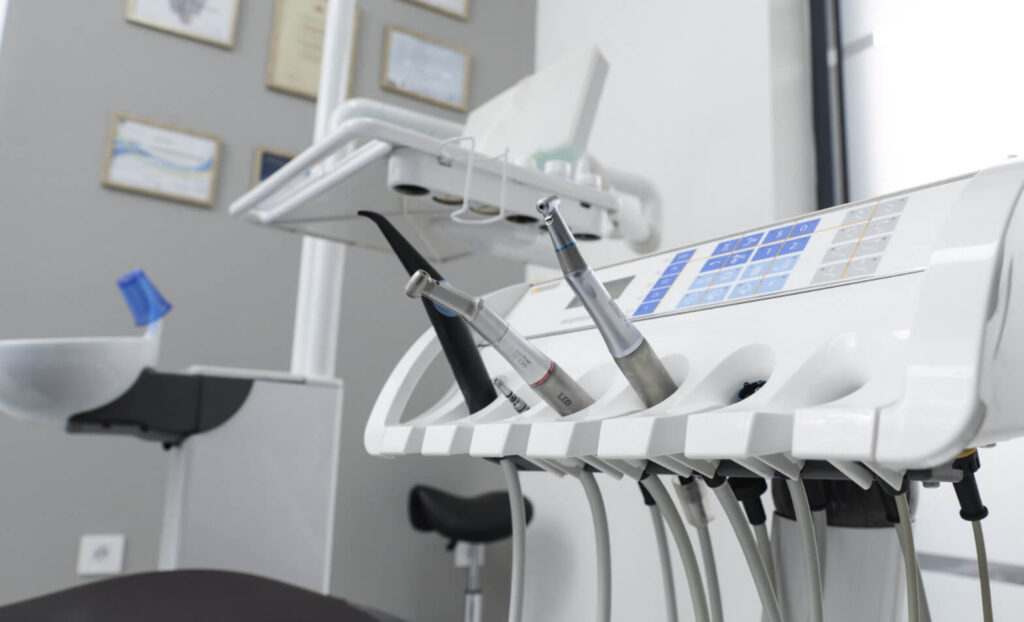
This procedure is quick, usually lasting between 20 and 60 minutes. It is performed under local anesthesia, is completely painless, and the patient can eat and drink normally immediately after the treatment. Thanks to adhesive techniques (gluing the filling to the tooth at a microscopic level), the filling perfectly fills the crack and restores the tooth to its natural shape, strength, and function.
However, to prevent cavities around a repaired fracture and maintain the overall health of your mouth, impeccable oral hygiene is key. Plaque and bacteria are the biggest enemies of any dental work. Regular, professional plaque removal can help you greatly. A thorough in-office scaling and flossing removes hard plaque that cannot be removed with a regular toothbrush, prevents gum inflammation around filled teeth, and restores the natural whiteness of your smile, making your fillings and teeth last longer.
Repairing a cracked tooth: When is a dental crown (cap) necessary?
For larger fractures – when a significant portion of the tooth crown has been broken off, when an entire tooth cusp has broken off, or the tooth has been significantly weakened by extensive caries and old fillings – a regular filling is no longer sufficient. In such situations, the filling would be too large, would not be able to withstand the forces of chewing and would quickly fall out again or would lead to the remaining part of the tooth breaking. This is where a dental crown comes into play.
A crown is a prosthetic replacement that completely "covers" and encloses the remaining part of the tooth, like a protective cap. It holds the weakened tooth together, protects it from further cracking, and restores its full functionality and flawless aesthetics.
The process of making a crown involves several steps. First, the tooth must be prepared (ground) to create space for the material from which the crown will be made. After the grinding, a precise impression is taken (modern digital intraoral scanners are often used today), which is sent to a dental laboratory. While your permanent crown is being made, the dentist places a temporary crown on your tooth so that you can function normally.
As for materials, patients today most often have at their disposal:
- Metal-ceramic crowns: They have a metal base that gives them exceptional strength, and are covered with high-quality ceramic in the color of natural teeth. They are an excellent choice for the back teeth (molars) that bear the most pressure.
- Zirconia (metal-free) crowns: They represent the pinnacle of aesthetics in dentistry. They have no black metal edge, transmit light similar to natural teeth, and are ideal for the anterior region, where aesthetics come first, but are also strong enough for the back teeth.
Endodontic treatment and saving an inflamed tooth
Not all fractures are superficial. If the crack is so deep that it reaches the center of the tooth (the dental pulp, where the nerves and blood vessels are located), bacteria from the mouth immediately infect the area. This usually causes very severe, throbbing pain that wakes patients up at night. At this stage, urgent endodontic treatment (root canal treatment) is necessary before the tooth can be closed with a crown.
Many patients are afraid of this procedure because of old stories, but with modern anesthesia and advanced machine endodontic technologies that we use in the office MonDent, this treatment is now completely painless and comfortable. The therapy removes inflamed or dead nerve tissue, prevents the spread of infection into the jawbone, and then the root canals are thoroughly cleaned, disinfected, and filled with a biocompatible material.
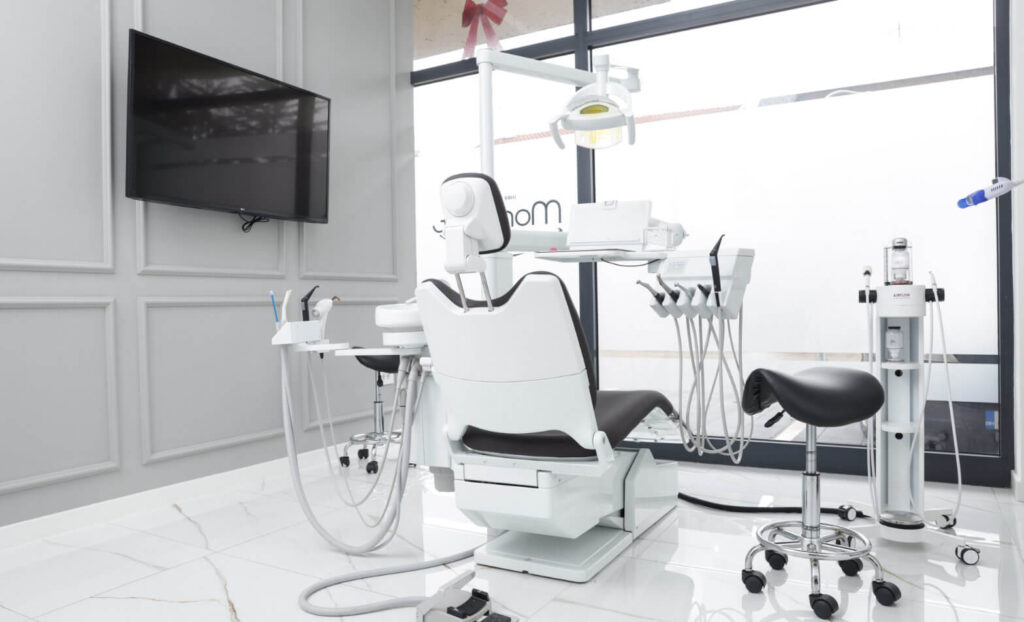
After completion endodontic treatment, such a tooth no longer has its own blood supply and becomes more brittle over time. Therefore, healed teeth usually have to be additionally strengthened with special abutments (posts) at the root and must be covered with a dental crown to prevent them from cracking vertically in the future.
Only if the crack extends deep along the root of the tooth below the gum level, or the tooth is completely destroyed by advanced gangrene without the possibility of reconstruction, does tooth extraction remain as a last, inevitable solution. If you are concerned about this scenario and want to learn more about how we approach severe and neglected infections, and what the alternatives to extraction are, read a more detailed explanation in our article: Is extraction the only cure for tooth gangrene? In it, we have explained in detail the tooth-saving processes that many decide on too late.
Price and duration of repairing a cracked tooth
One of the most common questions patients ask is: "How much will it cost and how many times do I have to come?" The price and duration depend solely on the complexity of the procedure. According to the transparent price list MonDent clinics in Banja Luka, basic services range within these limits:
- A single-surface filling costs around 50 KM.
- Double-surface and multi-surface fillings range from 60 to 70 KM, depending on the size of the tooth.
- Endodontic treatment is charged per canal (completion of therapy is approximately 70 KM per canal).
- The cost of making dental crowns, such as a high-quality metal-ceramic crown, is around 250 KM per tooth.
Minor repairs that only require a filling are completed in one visit and take less than an hour. On the other hand, major procedures such as endodontic treatment and crown fabrication require two or more visits (the first for treatment and tooth preparation, the second for a try-in, and the third for permanent cementation of the restoration).
Repairing a cracked tooth during pregnancy: Is it safe for the baby?
It is important to emphasize one major misconception: pregnancy is in no way a reason to avoid repairing a diseased or damaged tooth. On the contrary! During pregnancy, significant hormonal changes occur (especially surges in progesterone and estrogen) that make the gums extremely sensitive, swollen and prone to bleeding (the so-called pregnancy gingivitis). If a pregnant woman has a cracked, open tooth full of bacteria in her mouth, this is an open door for infection.
Professional medical sources around the world emphasize that routine dental checkups, repairs, and even emergency treatment such as root canal treatment are absolutely safe, and are especially recommended during the second trimester.
- Local anesthesia with lidocaine, which we routinely use, is completely safe because it does not cross the placental barrier and does not affect the baby.
- Digital X-rays performed using a protective lead apron expose the patient to a minimal, insignificant amount of radiation.
- Maintaining optimal oral health during pregnancy indirectly protects the baby, as untreated dental infections have been shown to increase the level of inflammatory markers in the mother's body, which in extreme cases can lead to complications such as premature birth or low birth weight.
Experienced dentists in MonDent The practice works with pregnant women every day, treating them with maximum care, in a comfortable environment and with full coordination with your gynecologist if necessary.
Prevention for a healthy smile and peaceful sleep
The best cure for a cracked tooth is to prevent it from breaking in the first place. To minimize the risk of fractures and protect your smile, follow these tips:
- Watch your diet: Avoid biting ice (this is a habit that kills enamel), chewing pencils, opening bottles with your teeth, or biting your nails.
- Use a mouthguard in sports: If you play contact sports, a silicone mouthguard is a must-have piece of equipment that can prevent serious trauma.
- Night guard (splint) for bruxism: If you know that you grind your teeth at night (often waking up with jaw pain or headaches), your dentist can make you a custom-made splint that you wear while you sleep. It protects your teeth from grinding against each other and cracking.
- Maintain perfect hygiene: Regular brushing twice a day with fluoride toothpaste, flossing, and mouthwash will ensure that your teeth remain strong, free of cavities that weaken their structure.
- Regular dental checkups: Visiting the dentist every 6 months allows us to spot small cracks, old and worn fillings and repair them before they cause major tooth breakage.
Conclusion
If you have a fracture, repairing a cracked tooth cannot be delayed. The sooner you visit the office, the greater the chance that the problem will be solved in the fastest, cheapest and most painless way. Our team of experts in MonDent clinic in Banja Luka is equipped with knowledge and the latest technology, and is here to save your tooth and restore your confidence with a lot of empathy and professionalism. Schedule your appointment on time and leave the care of your health and smile to proven professionals!


 BA
BA DE
DE SL
SL EN
EN ZH
ZH it_IT
it_IT