










Content:
- What is periodontitis?
- What are the causes of periodontitis?
- How to recognize periodontitis? Symptoms
- Diagnosis
- What can you do right now?
- Myths and facts about periodontitis
- Conclusion
Periodontitis, also known as periodontitis, is a chronic inflammatory disease that attacks the gums, bone, and tissues that support the teeth. It begins with a buildup of plaque and bacteria, and if left untreated, can lead to tooth loss.
Is there a solution? Absolutely yes – with timely intervention, periodontitis can be stopped or slowed down through a combination of hygiene measures, professional treatments and, if necessary, surgical procedures. Early symptoms give the best chance of success.
If you're experiencing symptoms, don't wait—make an appointment with your dentist as soon as you notice bleeding or swelling in your gums. Start with better oral hygiene at home, but professional help is key for a deep clean and to prevent further damage.
In this comprehensive guide, we'll cover everything you need to know: from symptoms and diagnosis, to effective treatments and prevention, to advice on when to see a specialist. Our goal is to help you maintain a healthy smile and avoid complications.
Contact our dental office and schedule an appointment with a professional dentist and MonDent-u.
What is periodontitis?
Periodontitis is a serious gum disease that goes beyond simple inflammation. It is an infection of the tissues surrounding the teeth, including the gums, periodontal ligament, and alveolar bone. If left untreated, it can lead to the destruction of these structures, resulting in loose teeth and tooth loss. According to the Centers for Disease Control (CDC), periodontitis affects millions of adults worldwide, and it often begins unnoticed.
Periodontitis vs periodontitis – same concept, different names
In everyday language, “periodontitis” is a popular name for what dentists call “periodontitis.” Both terms describe the same disease: chronic inflammation caused by bacteria. The only difference is the terminology. “Periodontitis” is an older, layman’s term, while “periodontitis” emphasizes the inflammatory process (itis means inflammation). Regardless of the name, it’s important to recognize that this is not just a cosmetic problem, but a serious condition that can affect your overall health, including your risk of heart disease and diabetes.
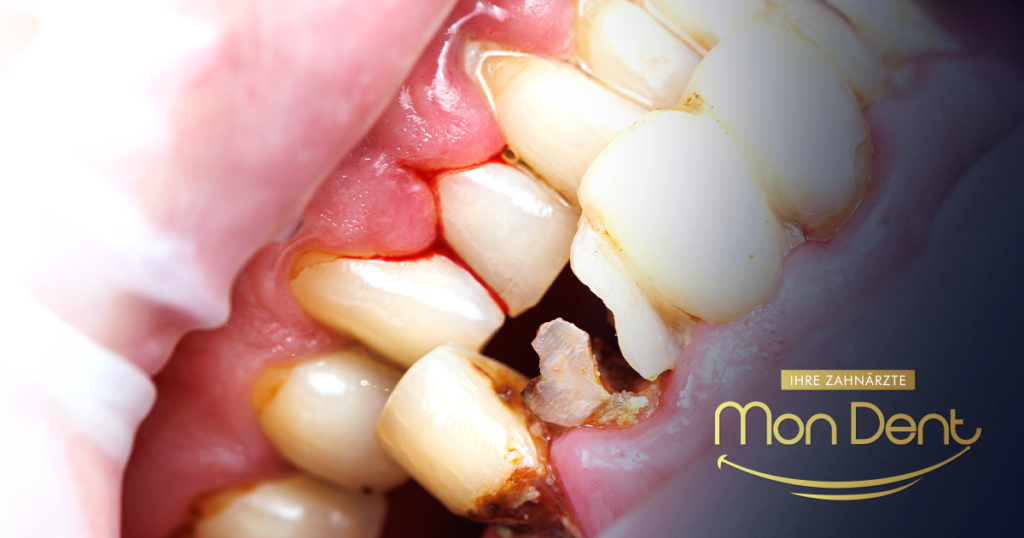
The process begins with the accumulation of plaque on the teeth, which turns into tartar. Bacteria cause inflammation of the gums (gingivitis), which, if left untreated, penetrates deep into the gums, destroying bone and tissue. This leads to the formation of “pockets” between the gums and teeth, where bacteria can further multiply.
What are the causes of periodontitis?
Periodontal disease doesn't happen overnight, it's the result of a combination of factors. The main culprit is poor oral hygiene, which allows plaque and tartar to accumulate. Smoking is another major risk, as it damages the gums and slows healing. Diabetes It complicates matters because high blood sugar feeds bacteria and weakens the immune system. Genetics plays a role: If your parents had periodontal disease, you are at higher risk. Stress, certain medications (like those against hypertension) and hormonal changes (during pregnancy or menopause) also contribute.
How bacteria and the immune response lead to bone damage
Plaque bacteria produce toxins that trigger the body's immune response. Instead of protecting, this response sometimes becomes excessive, leading to the breakdown of bone and tissue. For example, enzymes from immune cells attack the body's own structures, which is known as an autoimmune aspect. This is especially pronounced in smokers, where blood flow to the gums is reduced, making it easier for bacteria to thrive. If you have diabetes, your immune system is weakened, so the infection spreads more quickly.
Periodontitis symptoms – how to recognize it early
Early recognition of symptoms can save your teeth. Here are the most common signs:
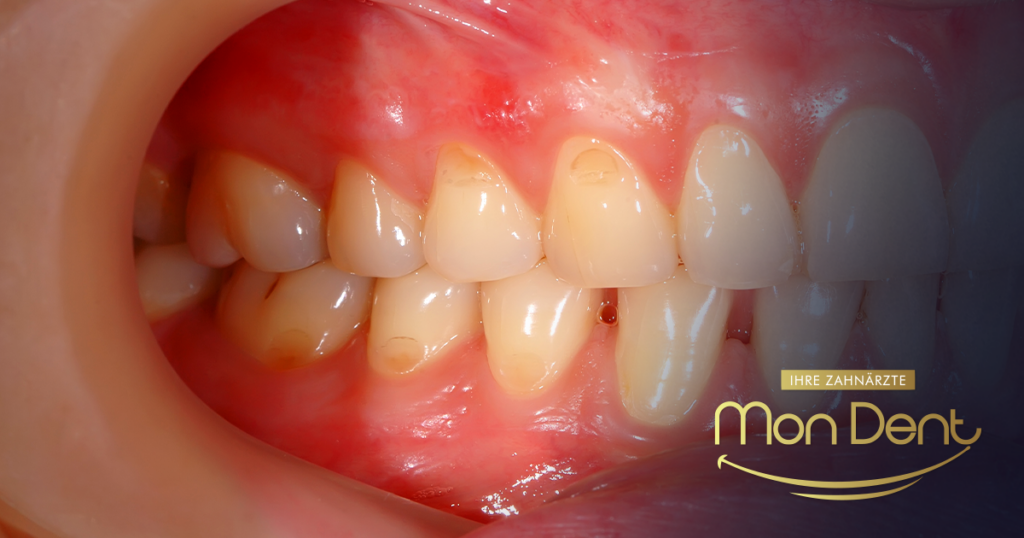
- Bleeding gums when brushing or flossing – this is the first alarm.
- Redness, swelling or tenderness of the gums.
- Unpleasant breath (halitosis) that does not go away.
- Receding gums, which makes teeth appear longer.
- Formation of pockets between the gums and teeth.
- Shaking or moving teeth.
- Pain when chewing or tooth loss in advanced stages.
MonDent advice: Ordinary gingivitis can cause bleeding, but if it lasts more than a week or is accompanied by swelling, it is a warning sign. Don't ignore it thinking it is "normal" because prevention is always better than cure.
Diagnosis: what to expect at the dentist
At the dentist, diagnosis begins with a visual examination of the gums and teeth. This is followed by probing the pockets – a thin probe measures the depth between the gums and the teeth (normal is 1-3 mm; over 4 mm indicates a problem). X-rays (such as orthopan or CBCT) show bone loss. Tooth mobility is checked by moving the teeth.
How serious are the findings (stages of periodontitis)?
Periodontal disease is divided into stages: mild (pockets 4-5 mm, minimal bone loss), moderate (5-7 mm, visible loss), and severe (over 7 mm, loose teeth). Earlier stages are easier to treat, so regular check-ups are key.
Treatments: from conservative to surgical
Treatment depends on the stage, but the goal is to remove bacteria and restore gum health.
Non-surgical (scaling and curettage / professional cleaning, root planing)
We start with a deep cleaning: scaling removes tartar, and root planing smooths the root of the tooth to prevent buildup. This is effective in the early stages.
Antibiotics and local therapies (gels, antibiotic envelopes)
Antibiotics (oral or topical gels) help fight bacteria. For example, antibiotic envelopes are placed in pockets for topical action.
Surgical therapy (periodontal surgeries, regenerative methods, grafts)
In advanced cases, surgeries lift the gums to clean deeply, or use bone grafts for regeneration. Regenerative methods with proteins stimulate the growth of new tissue.
What can you do right now?
If you notice symptoms, start by: brushing your teeth properly twice a day, using dental floss and interdental brushes to clean between your teeth. Rinse your mouth with salt water for temporary relief. Avoid smoking and sugary foods. But this is only a bridge to professional help – make an appointment urgently if bleeding persists or your gums hurt.
Warning signs: persistent bad breath, receding gums, or loose teeth.
Myths and facts about periodontitis
With: Periodontitis only affects old people. Fact: It can also occur in the 30s, especially in smokers or those with genetic predispositions.
With: If I don't have cavities, my gums are fine. Fact: Periodontitis is independent of caries – the focus is on the gums.
With: Dental floss is not necessary. Fact: It is essential for removing plaque between teeth.
With: Periodontitis is incurable. Fact: It can be controlled and stopped with treatment.
Conclusion
If your general dentist notices advanced periodontal disease, they will refer you to a periodontist – a gum specialist. Expect a detailed evaluation, personalized treatments, and follow-up. At MonDent, our team of specialists uses the latest methods, including AI support for more accurate diagnosis.
Periodontitis is a serious but manageable disease. Early recognition of symptoms, proper hygiene, and professional treatments are the keys to a healthy smile. Don't wait – Schedule an appointment at MonDent dental office today and preserve your teeth for years to come.


 BA
BA DE
DE SL
SL EN
EN ZH
ZH it_IT
it_IT