






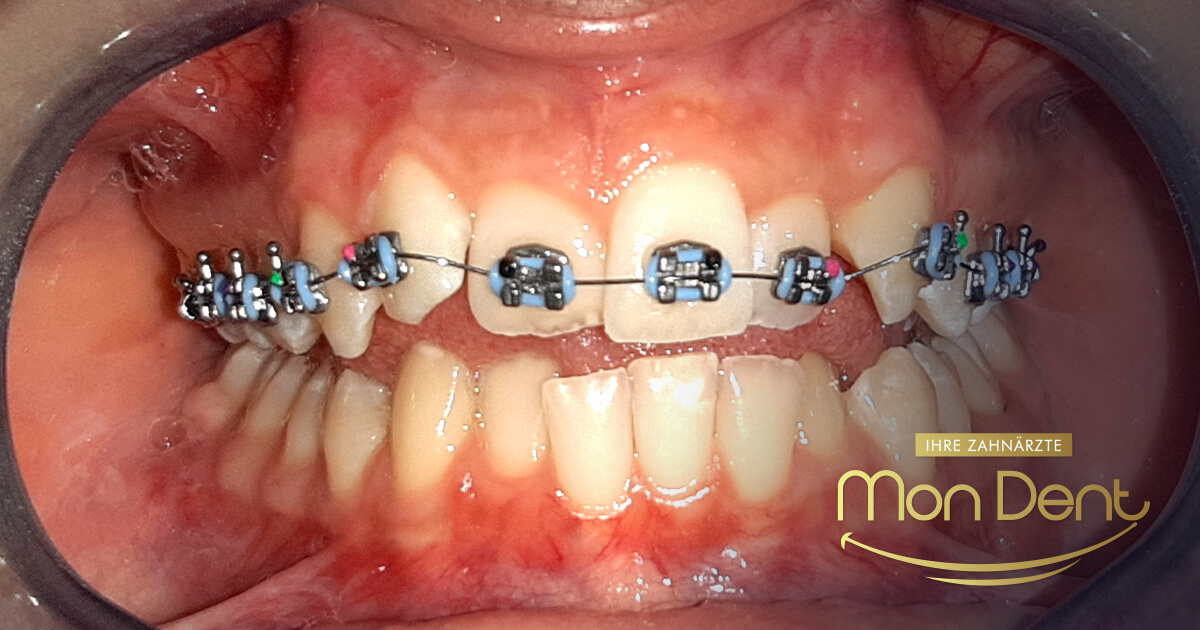
Aparatić za zube ispravlja zube i ugriz. Izbor između fiksnog aparata, mobilnog aparata i providnih folija zavisi od položaja zuba, odnosa vilica i ciljeva terapije.
Prije odluke obično se javljaju ista pitanja: koji aparat mi odgovara, koliko dugo ću ga nositi i koliko će sve zajedno koštati? Kod cijene je posebno važno razlikovati iznos za aparat ili foliju od troška cijele terapije. U nastavku možete uporediti mogućnosti i vidjeti šta treba da sadrži ponuda prije početka liječenja.
Izbor aparata počinje pregledom. Više o ovoj oblasti i uslugama ordinacije možete pročitati na stranici ortodoncija u MonDentu.
Koliko košta aparatić za zube?
Cijena zavisi od vrste aparata i plana liječenja. Da biste procijenili budžet, potrebno je znati na koliko vilica se ponuda odnosi i koje faze terapije obuhvata.
Price of fixed braces
IN javnom cjenovniku MonDenta objavljeni su sljedeći iznosi:
| Vrsta fiksnog aparata | Objavljena cijena | Jedinica obračuna |
|---|---|---|
| Metalni | 1.400 KM | Nije navedeno da li se iznos odnosi na jednu ili obje vilice |
| Estetski safirni | 2.000 KM | Nije navedeno da li se iznos odnosi na jednu ili obje vilice |
| Gold | 2.200 KM | Nije navedeno da li se iznos odnosi na jednu ili obje vilice |
| Samoligirajući estetski | 2.300 KM | Po vilici |
Ove iznose ne treba automatski tumačiti kao cijenu kompletne terapije. Prije početka zatražite ponudu u kojoj su odvojeno navedeni aparat, prateće usluge i eventualne doplate.
Cijena mobilnog aparatića za zube
Za mobilni aparat nije objavljen poseban iznos u javnom cjenovniku. Cijenu treba zatražiti nakon pregleda, kada se utvrdi koji je aparat potreban i šta se njime želi postići.
U ponudi provjerite da li su obuhvaćeni izrada, podešavanja i kontrolni pregledi, kao i način naplate eventualne zamjene aparata.
Aparatić za zube za djecu: kako se određuje cijena?
„Dječiji aparatić“ nije naziv za samo jednu vrstu aparata. Dijete može imati potrebu za mobilnom ili fiksnom terapijom, a nekada je u početku dovoljno praćenje razvoja zuba i vilica.
Zato pri razgovoru o cijeni pitajte i da li ponuda obuhvata jednu fazu liječenja ili cijeli predviđeni plan. Ako se kasnije očekuje druga faza, korisno je to znati prije početka, čak i kada njen tačan trošak još nije moguće odrediti.
Koliko košta terapija providnim folijama?
Objavljena stavka za aligner iznosi 200 KM po vilici. Sam cjenovnik ne objašnjava dovoljno precizno obim te stavke, pa se ovaj iznos ne može predstavljati kao cijena cijele terapije.
Folije se koriste u nizu: tokom terapije prelazite s jedne na sljedeću prema planu. Za procjenu ukupnog troška zato su potrebni broj folija, broj vilica koje se tretiraju i uslovi za eventualne dodatne serije.
Više o načinu nošenja i izboru pacijenata pročitajte u vodiču o folijama za ispravljanje zuba.
Šta treba da obuhvati ukupan trošak ortodontske terapije?
Prije prihvatanja ponude tražite odgovor na sljedeća pitanja:
- Da li su pregled, snimanja i izrada plana uključeni?
- Da li je navedena cijena za jednu ili obje vilice?
- Jesu li redovne kontrole uključene i postoje li ograničenja?
- Kako se naplaćuju popravke ili zamjene dijelova aparata?
- Kod folija, šta se dešava ako bude potrebna dodatna serija?
- Da li su skidanje aparata, retainer i kontrole nakon terapije dio ponude?
Retenciona folija je u cjenovniku zasebno navedena po cijeni od 110 KM po vilici. Nije javno razjašnjeno da li je uključena u pojedine ponude za terapiju.
Dobra ponuda treba da vam pokaže šta plaćate odmah, šta tokom liječenja i pod kojim okolnostima mogu nastati dodatni troškovi.
Fiksni, mobilni aparatić ili folije: kako se bira?
Razlike se ne svode samo na izgled. Važni su pokreti koje treba postići i način na koji ćete aparat koristiti svakog dana.
| Opcija | Kako se koristi | Šta uzeti u obzir |
|---|---|---|
| Fixed braces | Bravice ostaju pričvršćene za zube tokom terapije | Čišćenje oko bravica traži dodatnu pažnju |
| Mobile braces | Može se izvaditi prema uputstvu ortodonta | Rezultat zavisi i od redovnog nošenja |
| Providne folije | Nosi se niz folija koje se mijenjaju prema planu | Skidaju se za jelo i higijenu, ali moraju se nositi propisano vrijeme |
Kod fiksnog aparata žica povezuje bravice i prenosi silu kojom se zubi postepeno pomjeraju. Folije obuhvataju zube i smjenjuju se kako terapija napreduje. Izbor se donosi nakon procjene, a ne samo prema tome koji je aparat manje primjetan.
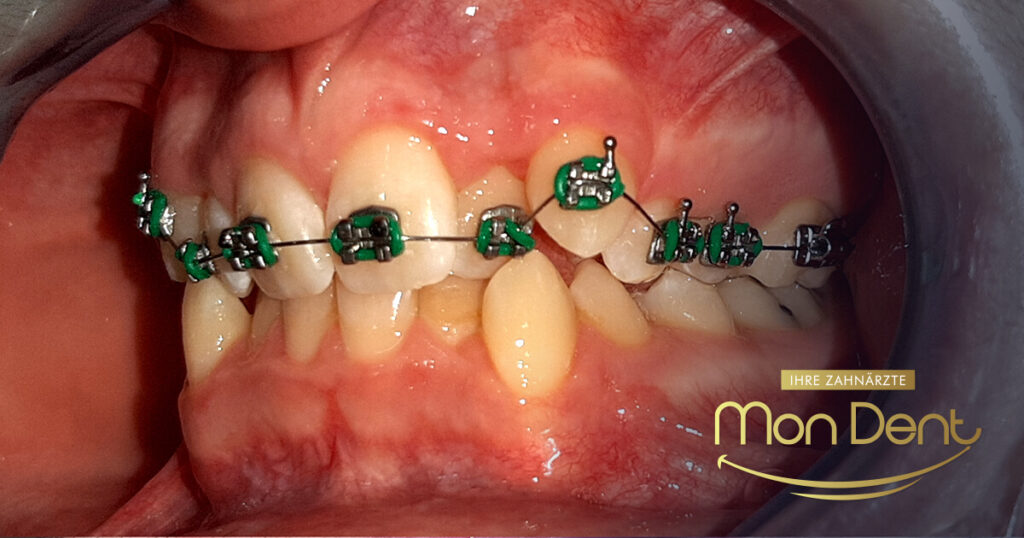
Aparatić za zube kod djece: kada otići na prvi pregled?
Prvi pregled ne mora značiti da dijete odmah treba da dobije aparat. Njegova svrha je da ortodont procijeni nicanje zuba i odnos vilica te odredi da li je potrebno liječenje ili povremeno praćenje.
Američko udruženje ortodonata preporučuje prvi pregled najkasnije oko sedme godine, a ranije ako se primijeti problem. Ne treba čekati da niknu svi stalni zubi da bi se zatražila procjena.
Na pregledu pitajte šta bi se ranom terapijom postiglo i da li se kasnije očekuje još jedna faza liječenja. Tako ćete jasnije razumjeti i preporuku i buduće obaveze.
Aparatić za zube za odrasle u Banjoj Luci
Ako aparatić niste nosili u djetinjstvu, o terapiji možete razgovarati i kao odrasla osoba. Prije početka važno je provjeriti zdravlje zuba i desni i riješiti probleme koji bi mogli otežati liječenje.
MonDent u Banjoj Luci pruža ortodontske usluge djeci i odraslima, uz izbor terapije prema nalazu. Na konsultacijama možete razgovarati o izgledu aparata, svakodnevnim obavezama i mogućnostima liječenja. Više o ortodontskim uslugama.
Ako zbog posla ili putovanja teško organizujete dolaske, pomenite to na početku. Raspored kontrola je dio plana koji treba uklopiti u svakodnevni život.
Kako izgleda terapija i koliko traje?
Terapija počinje procjenom zuba i vilica. Prema potrebi se rade snimci, fotografije ili skenovi, a zatim se dogovaraju aparat i plan liječenja. Nakon postavljanja slijede kontrole i podešavanja.
Ortodontsko liječenje često traje približno 12 do 30 mjeseci, ali pojedini slučajevi mogu trajati kraće ili duže. To je opšti okvir, a procjenu za vas daje ortodont. Kontrole se zakazuju prema vrsti aparata i toku terapije.
Pri razgovoru o trajanju razdvojite dvije stvari: vrijeme aktivnog pomjeranja zuba i period održavanja rezultata nakon toga.
Retainer nakon aparatića
Nakon aktivne terapije slijedi retencija, odnosno održavanje postignutog položaja zuba. Za to se mogu koristiti retenciona folija, fiksna žica s unutrašnje strane zuba ili njihova kombinacija.
Retainer se nosi prema individualnom uputstvu, često dugoročno. Ako se ošteti, izgubi ili prestane pravilno da naliježe, javite se ordinaciji. Detaljnija objašnjenja nalaze se u tekstu retainer za zube: vrste i nošenje.
Svakodnevna njega tokom nošenja aparatića
Kod fiksnog aparata temeljno čistite oko bravica i između zuba. Tvrda i ljepljiva hrana može oštetiti aparat, pa hranu po potrebi isijecite na manje komade. Nastavite i s redovnim stomatološkim pregledima.
Folije skidajte za jelo i očistite zube prije vraćanja. Poštujte raspored nošenja koji ste dobili, jer mogućnost skidanja podrazumijeva i odgovornost da ih redovno vraćate.
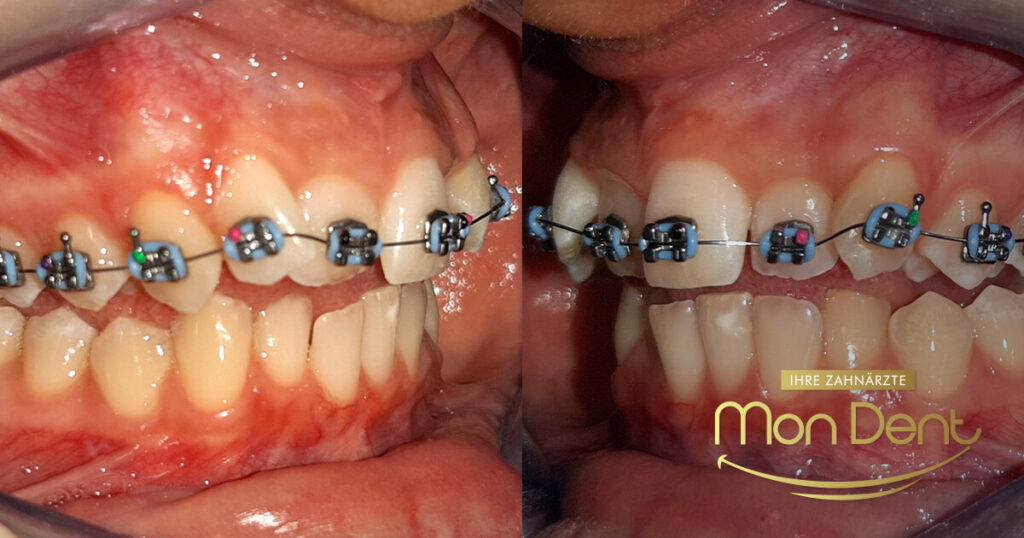
Česta pitanja prije početka terapije
Da li aparatić boli?
Nakon postavljanja ili podešavanja moguća je prolazna osjetljivost. Ako bol traje duže od nekoliko dana, aparat je oštećen ili su desni izrazito otečene i bolne, kontaktirajte ortodonta.
Da li je mobilni aparatić isto što i retainer?
Nije. Mobilni aparat u aktivnoj terapiji služi određenoj korekciji, dok retainer održava položaj zuba nakon liječenja. To što se oba mogu vaditi ne znači da imaju istu namjenu. Više o retainerima.
Jesu li kontrole uključene u cijenu aparatića?
To treba da bude jasno navedeno u vašoj ponudi. Tražite da se precizira koje kontrole obuhvata, u kom periodu i šta se eventualno doplaćuje.
Šta da pitam na prvom pregledu?
Pitajte koji problem treba riješiti, koje su mogućnosti, koliko liječenje može trajati i šta obuhvata predložena cijena. Ako nešto nije jasno, tražite da se objasni prije nego što donesete odluku.
Za procjenu i razgovor o mogućnostima liječenja možete se obratiti MonDentu u Banjoj Luci. Na pregled ponesite raniju dokumentaciju ako je imate i pitanja koja želite da razjasnite.


 BA
BA DE
DE SL
SL EN
EN ZH
ZH it_IT
it_IT